
Table of Contents
- Why Copper Peptide Serum Deserves a Spot in Your Routine
- The Real Benefits of Copper Peptides for Skin
- Copper Peptide vs Retinol: Which One Wins?
- Vampire Tx Face Serum: An Affordable Contender Reviewed
- How to Use Copper Peptide Serum for Best Results
- Ingredient Incompatibility Guide: What Not to Mix
- Setting Realistic Expectations: Short-Term vs. Long-Term Results
- Verdict: Is an Affordable Copper Peptide Serum Worth It?
- Frequently Asked Questions
Last Updated: September 7, 2026
Why Copper Peptide Serum Deserves a Spot in Your Routine
The anti-aging market is flooded with promises, but few ingredients deliver on the science the way copper peptides do. A copper peptide serum is a topical formulation built around GHK-Cu, a naturally occurring peptide complex that signals the skin to support collagen synthesis and tissue repair.
Most guides treat copper peptides as a niche "next step" after retinol or vitamin C. That misses the point. For adults in their 30s through 60s who want to maintain skin elasticity and reduce fine lines without the irritation of stronger actives, copper peptides offer a compelling middle ground.
Below, we break down the real benefits, compare copper peptides against retinol, and review an affordable option that pairs this ingredient with bee venom. You will also get a practical ingredient incompatibility guide and a realistic timeline for results.
The Real Benefits of Copper Peptides for Skin
The benefits of copper peptides for skin extend beyond surface-level claims. GHK-Cu is a tripeptide, a chain of three amino acids (glycine, histidine, and lysine) bound to a copper ion. This copper ion acts as a cofactor for enzymes involved in collagen cross-linking and extracellular matrix remodeling. When applied topically, GHK-Cu signals fibroblasts to increase synthesis of collagen and elastin.
Research on GHK-Cu dates back to the 1970s, when studies first identified its role in wound healing (PubMed). Subsequent work suggests topical application can support firmer, more resilient skin over consistent use. The peptide also demonstrates antioxidant properties, helping to neutralize free radicals from UV exposure and pollution.
In practical terms, users typically report several distinct improvements with regular application:
- Smoother texture, Copper peptides support the skin's natural exfoliation process without causing the visible peeling associated with acids. This results in a more even surface over several weeks.
- Improved firmness, By supporting collagen production in the dermis, copper peptides help maintain the structural framework that keeps skin from sagging. This is a slower process than surface-level exfoliation, which is why results accumulate over months rather than days.
- Reduced appearance of fine lines, Fine lines form where collagen has broken down. Supporting new collagen synthesis helps plump the skin from within, softening the appearance of these lines over time.
- Enhanced barrier function, Copper is involved in the activity of superoxide dismutase, an antioxidant enzyme that protects skin cells from oxidative stress (ods.od.nih.gov). A healthier barrier means less transepidermal water loss and better retention of moisture.
What distinguishes copper peptides is their dual action. Most actives either exfoliate the surface or stimulate cell turnover. Copper peptides do both, but through a signaling pathway rather than an abrasive mechanism.
Copper peptides are not instant wrinkle fillers, nor do they provide the dramatic exfoliation of glycolic acid or the rapid turnover of tretinoin. Their strength lies in gradual, structural support.
Copper Peptide vs Retinol: Which One Wins?
The copper peptide vs retinol debate misses a crucial point: these ingredients are not rivals but complementary tools. Retinol accelerates cell turnover, pushing fresh cells to the surface. Copper peptides focus on the deeper support system, encouraging collagen synthesis and tissue repair beneath the surface.
Choosing between them depends on your skin's tolerance and timeline. Retinol is effective but notorious for the "purging" phase, where skin flakes and reddens for weeks. Copper peptides generally bypass that adjustment period.
Many routines use both, alternating nights or layering with a hydrating buffer. If you are committed to retinol, copper peptides can support the skin barrier during the adjustment phase.
Vampire Tx Face Serum: An Affordable Contender Reviewed
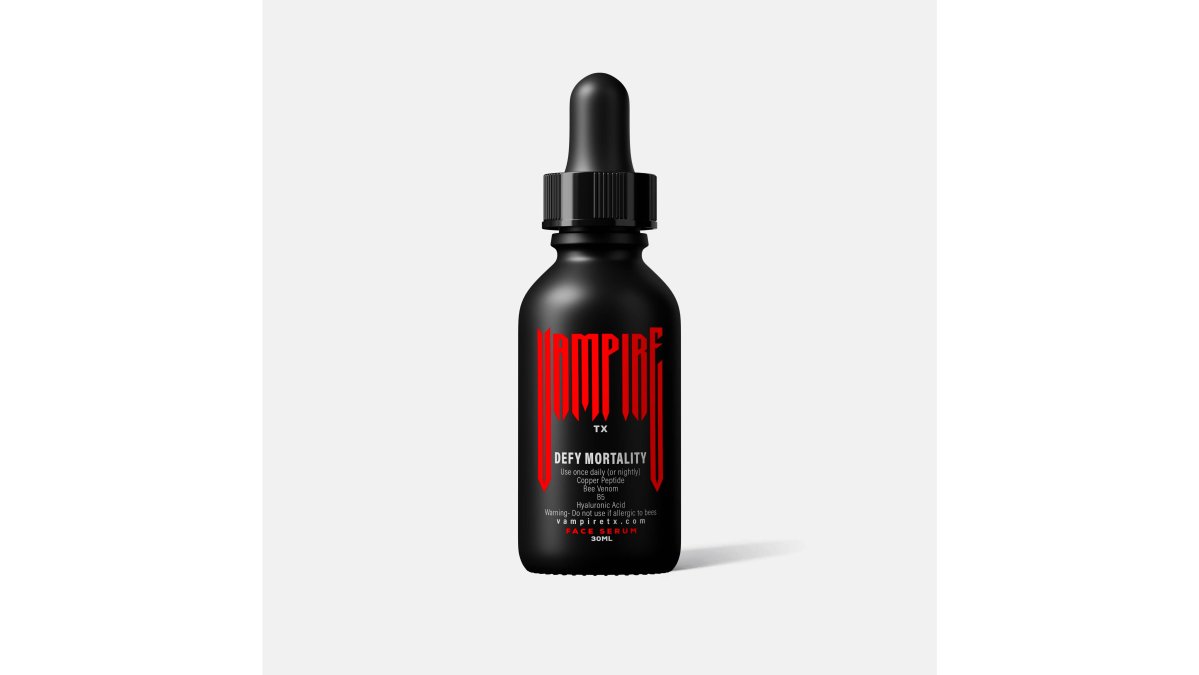
Our top pick for an affordable copper peptide serum for face use is the Vampire Tx Face Serum, and the reasoning goes beyond the price tag. This formula fuses copper peptides (GHK-Cu) with bee venom and hyaluronic acid, creating a peptide complex aimed at firming, smoothing, and hydrating in a single step. For adults seeking an all-in-one age-defying solution without the luxury markup, it checks the boxes that matter.

What Makes This Formula Different
Most affordable copper peptide serums stop at the peptide. Vampire Tx pairs GHK-Cu with bee venom, known for stimulating blood flow and temporarily plumping the skin by mimicking a mild inflammatory response. Combined with hyaluronic acid, the formula targets firmness, smoothness, and moisture in one application.
This matters for the busy professional who does not want a five-step routine. The serum is designed to replace several products while still delivering the cellular repair copper peptides are known for.
Pricing and Value Breakdown
Here is where Vampire Tx separates itself. A single bottle of the Vampire Tx Face Serum costs $19.00. For a copper peptide and bee venom complex, that price undercuts most department store options.
| Bundle | Price | Per-Bottle Cost | Best For |
|---|---|---|---|
| Single bottle | $19.00 | $19.00 | First-time users |
| 2-bottle pack | $35.00 | $17.50 | Committing to a 3-month trial |
| 3-bottle pack | $49.00 | $16.33 | Long-term routine building |
The 2-bottle pack at $35.00 and the 3-bottle pack at $49.00 reward consistency. Buying in bulk lowers the per-bottle cost and removes the excuse to skip days.


How to Use Copper Peptide Serum for Best Results
Knowing how to use copper peptide serum correctly determines whether you see results or waste the bottle. The rules are simple but specific.
Step-by-Step Application Protocol
Step 1: Cleanse and pat dry. Apply the serum to clean skin. Skin should be slightly damp but not wet, excess water dilutes the formula and can affect absorption. Pat gently with a clean towel rather than rubbing.
Step 2: Apply the correct amount. Two to three drops are sufficient for the face and neck. Copper peptides are potent; more product does not equal better results. Excess serum simply sits on the skin and may pill when you apply moisturizer.
Step 3: Wait 30 to 60 seconds. Give the serum a moment to absorb before layering anything on top. This short pause prevents dilution and ensures the peptide complex penetrates rather than mixing with your moisturizer on the surface.
Step 4: Follow with moisturizer. A simple, fragrance-free moisturizer locks in hydration and supports the skin barrier. Avoid layering heavy oils or occlusives immediately after application, as they can slow peptide absorption.
Step 5: Apply SPF in the morning. If you use the serum in your morning routine, always finish with broad-spectrum sunscreen of at least SPF 30 (the American Academy of Dermatology). Regenerating skin is more vulnerable to UV damage, and copper peptides do not provide sun protection.
Morning vs. Evening Use
Copper peptides are flexible enough for morning or evening use, but most dermatologists recommend evening application: fewer competing actives. Your morning routine likely includes vitamin C or antioxidants, which can interfere with copper peptides if applied too close together.
If you prefer morning application, keep it simple: cleanse, copper peptide serum, moisturizer, sunscreen. Skip vitamin C on those mornings or alternate days.
Frequency and Timeline
Consistency matters more than quantity. Using the serum twice daily for at least 8 to 12 weeks is the standard recommendation to evaluate its effects. Many users report a "glow" within the first two weeks, but structural changes take longer.
A common pattern is:
- Weeks 1-2: Improved hydration and a smoother surface texture. The skin barrier feels calmer.
- Weeks 3-6: More even tone and a visible reduction in the appearance of fine lines, particularly around the eyes and mouth.
- Weeks 8-12: Noticeable improvement in firmness and elasticity as collagen synthesis accumulates.
What to Avoid in the Same Routine
Resist the urge to layer too many actives at once. A simplified routine, cleanser, copper peptide serum, moisturizer, and SPF, gives the peptide complex room to work.
- Do not mix with strong vitamin C (L-ascorbic acid) in the same application. Both are antioxidants, but together they can oxidize each other. Use vitamin C in the morning and copper peptides at night.
- Do not apply immediately after AHAs or BHAs. Acids create a low pH environment that can destabilize the peptide. If you exfoliate, wait at least 12 hours before applying copper peptides.
- Do not layer directly with retinol without a buffer. The two are not inherently incompatible, but applying them back-to-back increases sensitivity. Alternate nights or use a hydrating serum between them.
Troubleshooting Common Mistakes
Pilling: If the serum balls up on your skin, you are either using too much or applying it over a product that has not fully absorbed. Reduce to two drops and wait longer between steps.
No visible results after two weeks: This is normal. Copper peptides work on the dermis, not the surface. Structural changes take 8 to 12 weeks of consistent use. If you see no change after three months, check the concentration of GHK-Cu in your formula.
Irritation: Copper peptides are generally well tolerated, but irritation can occur if your skin barrier is compromised or if you are using too many actives simultaneously. Pause all exfoliants and retinoids for one week, then reintroduce copper peptides alone.
Ingredient Incompatibility Guide: What Not to Mix
This is the section most guides skip, and it saves you from ruining both products. Copper peptides are sensitive to certain ingredients that degrade their structure or block their activity.
Avoid applying copper peptides in the same routine as strong vitamin C (L-ascorbic acid). Both are antioxidants, but in combination they can oxidize each other, reducing efficacy. Apply vitamin C in the morning and reserve copper peptides for the evening.
Strong acids and retinoids also pose a problem. AHAs and BHAs create a low pH environment that can destabilize the copper peptide. Retinol and copper peptides are not inherently incompatible, but layering them without a buffer can increase sensitivity. Alternate nights or use a hydrating serum between them.
Setting Realistic Expectations: Short-Term vs. Long-Term Results
Copper peptides are not a quick fix, and anyone promising overnight transformation is overselling. Understanding the timeline prevents disappointment.
In the short term, within the first two to four weeks, most users notice improved hydration and smoother texture. The skin barrier feels stronger, and the complexion looks more rested. These early changes come largely from hydrating ingredients and a calming effect on the skin surface.
Long-term results, visible after 8 to 12 weeks of consistent use, are where copper peptides earn their reputation. Improved firmness, reduced fine lines, and better elasticity reflect the collagen synthesis that has been quietly underway.
Concentration transparency matters. A serum with a meaningful GHK-Cu concentration, combined with ingredients that support bioavailability, will outperform a diluted formula regardless of brand name. Check the ingredient list, not the marketing copy.
Verdict: Is an Affordable Copper Peptide Serum Worth It?
The science behind copper peptides is sound, and the practical benefits for aging skin are well documented. The remaining question is whether you need to pay luxury prices to access them. Based on formulation, ingredient list, and pricing, an affordable copper peptide serum for face use delivers the same core benefits as premium counterparts when concentration and supporting ingredients are right.
For most adults seeking a simplified, high-efficiency routine, the Vampire Tx Face Serum represents the best value we have found. It combines the regenerative power of GHK-Cu with the plumping effects of bee venom and the hydration of hyaluronic acid, all in one product. At $19.00 for a single bottle, it removes the financial barrier to trying this ingredient class.
The only real risk is inconsistency. Copper peptides reward patience and regular application. If you commit to a 12-week cycle, the investment is modest and the potential payoff is substantial.
Frequently Asked Questions
Does an affordable copper peptide serum actually work?
Yes, when formulated at an effective concentration. Copper peptides like GHK-Cu are backed by decades of research for their role in collagen synthesis and skin repair. An affordable serum can deliver results if it contains a meaningful dose of peptides and is packaged to remain stable. Look for transparent labeling and a formula that lists copper peptides early in the ingredient list.
Can you use a copper peptide serum with other active ingredients?
You can, but you need to be selective. Avoid applying copper peptides in the same routine as strong acids like AHAs/BHAs or high-dose vitamin C, as they can break each other down. A simple routine is often best. Use your copper peptide serum on clean skin, and follow with a moisturizer. You can use retinol at a different time of day or on alternate nights.
How does copper peptide vs retinol compare for anti-aging?
Both are proven anti-aging ingredients, but they work differently. Retinol speeds up cell turnover to smooth texture and fade lines, often causing irritation and a purging period. Copper peptides focus on supporting skin structure and collagen production, with less irritation. Many people use both, but not at the same time, to get the benefits of each.
What is the best affordable copper peptide serum for sensitive skin?
For sensitive skin, look for a serum that combines copper peptides with soothing, hydrating ingredients like hyaluronic acid. The Vampire Tx Face Serum is a strong option because it pairs GHK-Cu with hyaluronic acid and bee venom to help improve the appearance of firmness, smoothness, and hydration. Always patch test any new product for a few days before applying it to your whole face.
The challenge with anti-aging skincare is not a lack of effective ingredients; it is the inflated pricing and complicated routines that make consistency impossible. Vampire Tx solves both problems with a high-performance serum that fuses copper peptides and bee venom at a price that respects your budget. Get started with Vampire Tx and give your skin the cellular support it needs to stay in its prime.