
Table of Contents
- Signs of Damaged Skin Barrier You Should Not Ignore
- What Causes Skin Barrier Damage
- How to Fix Skin Barrier Damage: The Recovery Steps
- Best Ingredients for Skin Barrier Repair
- Ingredients to Avoid While Your Barrier Heals
- How Long to Heal Skin Barrier: A Realistic Timeline
- Post-Repair Maintenance: Keeping Your Barrier Strong
- Frequently Asked Questions
Last Updated: August 31, 2026
Signs of Damaged Skin Barrier You Should Not Ignore
Skin barrier damage often goes undiagnosed because symptoms mimic everyday dryness or sensitivity. The skin barrier is the outermost layer of the epidermis, known as the stratum corneum. It locks in moisture, regulates water loss, and keeps environmental stressors, bacteria, and irritants out. When it breaks down, your skin cannot perform these functions effectively.
The good news: skin barrier damage is fixable. This guide provides a structured recovery plan, realistic healing timeline, and safe reintroduction protocol for active ingredients.
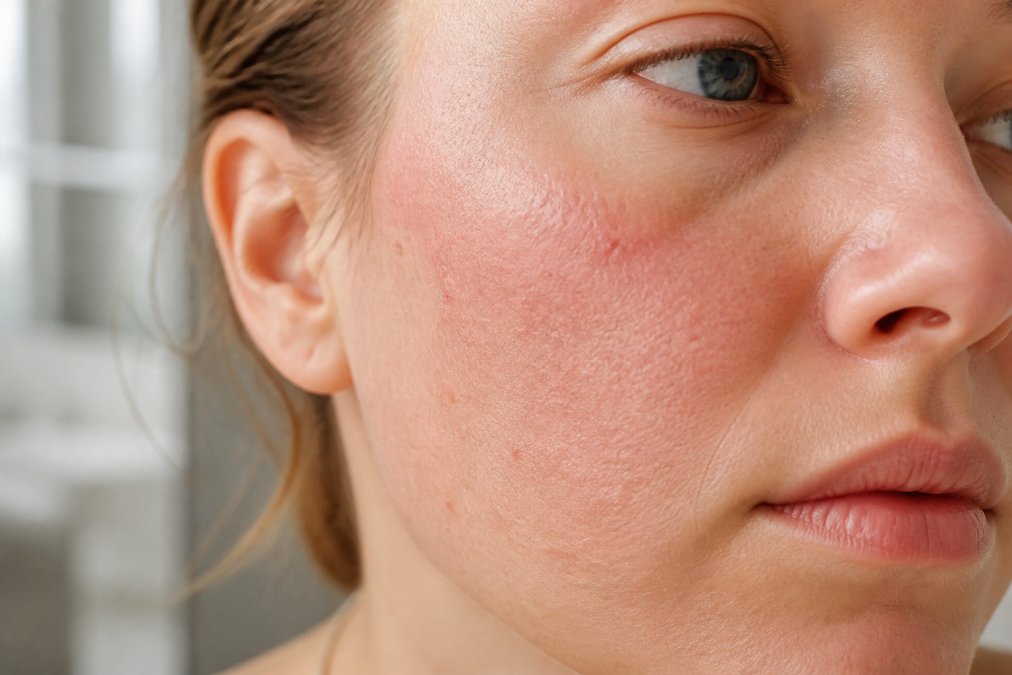
Physical Symptoms: Redness, Tightness, and Flaking
Persistent redness unresponsive to moisturizer, a tight "shrink-wrapped" feeling after cleansing, and visible flaking are the three most consistent indicators of barrier damage. You might also notice micro-tears, increased sensitivity to previously tolerated products, and dull, rough texture that makeup clings to unevenly.
Inflammation drives these symptoms. When the lipid barrier is disrupted, the immune response activates, producing redness and warmth. Moisture retention collapses simultaneously, causing tightness and flaking.
Behavioral Clues: When Your Routine Suddenly Stings
If a product you've used for months suddenly burns or stings, your barrier is likely compromised. A healthy stratum corneum buffers against mild chemical exposure; a damaged one has no such defense.
Other clues include needing to apply moisturizer multiple times daily for comfort, noticing skin looks worse after cleansing, and finding that sunscreen stings on application. These signal barrier distress, not product failure.
What Causes Skin Barrier Damage
Most barrier damage is self-inflicted through modern skincare culture's normalization of aggressive routines.
Over-Exfoliation and Harsh Actives
Over-exfoliation is the leading cause of barrier damage in people following active skincare routines. Chemical peels, high-concentration AHAs and BHAs, daily retinoids, and vitamin C serums all have real benefits, but stacking them without adequate recovery time strips the lipid barrier faster than it can rebuild.
According to the American Academy of Dermatology's guidance on skincare for sensitive skin, exfoliating more than two to three times per week is excessive for most skin types and causes cumulative damage over time. Retinoids deserve specific mention: they genuinely increase cell turnover, but using them on already-damaged skin accelerates irritation rather than repair.
Environmental Stressors and Climate Effects
Cold, dry air pulls moisture from the skin surface and slows lipid production. Low humidity climates, heated indoor air in winter, and high-altitude environments all increase transepidermal water loss significantly. Hot, humid climates bring different challenges: increased sweating disrupts pH balance, and over-cleansing compounds the problem. UV exposure degrades the lipid barrier and triggers inflammation year-round.
Climate-specific maintenance matters. Your barrier plan in January differs from July. Use thicker occlusives in winter, lighter humectants in summer, and consistent sunscreen year-round.
How to Fix Skin Barrier Damage: The Recovery Steps
Recovery requires doing less, not more. Every additional active is a variable your barrier must process. Simplify first.
Step 1: Strip Your Routine Down to the Essentials
Cut your routine to three products: a gentle cleanser, a moisturizer with barrier-supporting ingredients, and sunscreen. No actives, exfoliants, or serums with high concentrations of anything. This is a recovery phase, not permanent.
A common mistake is sneaking actives back after a few days of improvement. Partial recovery is not full recovery. The barrier needs sustained support before handling chemical stress again.
Step 2: Swap to a Gentle Cleanser and Avoid Hot Water
Use a gentle cleanser with pH between 4.5 and 5.5 to preserve the skin's natural acid mantle, critical for barrier function. Avoid foaming cleansers with sulfates, fragrance, or alcohol during healing.
Hot water dissolves the lipids holding the stratum corneum together. Use lukewarm water only and keep cleansing brief. Pat dry, never rub.
Step 3: Layer Humectants, Emollients, and Occlusives
Barrier repair moisturization follows specific logic. Humectants like hyaluronic acid draw water into skin. Emollients like fatty acids and ceramides fill gaps between cells and restore the lipid matrix. Occlusives like petrolatum seal everything in.
Apply in order: humectant first on damp skin, emollient moisturizer over it, occlusive as final layer if needed.
Step 4: Apply Sunscreen Every Morning Without Exception
UV exposure degrades the lipid barrier and undoes repair progress. Use mineral sunscreen with zinc oxide, which sits on top of skin rather than absorbing into it, reducing irritation risk.
Apply as the final step every morning, including overcast days and days spent mostly indoors near windows.
Best Ingredients for Skin Barrier Repair
The most effective barrier repair ingredients mimic or replenish natural stratum corneum components.
Ceramides, Fatty Acids, and Niacinamide
Ceramides make up roughly 50% of the skin's natural lipid barrier. Topical ceramides directly replenish what barrier damage depletes. Look for formulas including ceramide NP, AP, and EOP alongside fatty acids.
Niacinamide is one of the most consistently dermatologist-recommended barrier repair ingredients. It increases ceramide synthesis, reduces transepidermal water loss, and calms inflammation without irritation risk. It is well-tolerated at 2-10% concentrations, making it suitable during active recovery.
Copper Peptides and Hyaluronic Acid: A Barrier-Friendly Pairing
Copper peptides, specifically GHK-Cu, support recovery by stimulating collagen production, reducing inflammation, and promoting cellular repair. They deliver anti-aging benefits without stressing a compromised barrier.
Hyaluronic acid complements copper peptides directly. As a humectant, it holds up to 1,000 times its weight in water, providing immediate hydration while the barrier rebuilds.
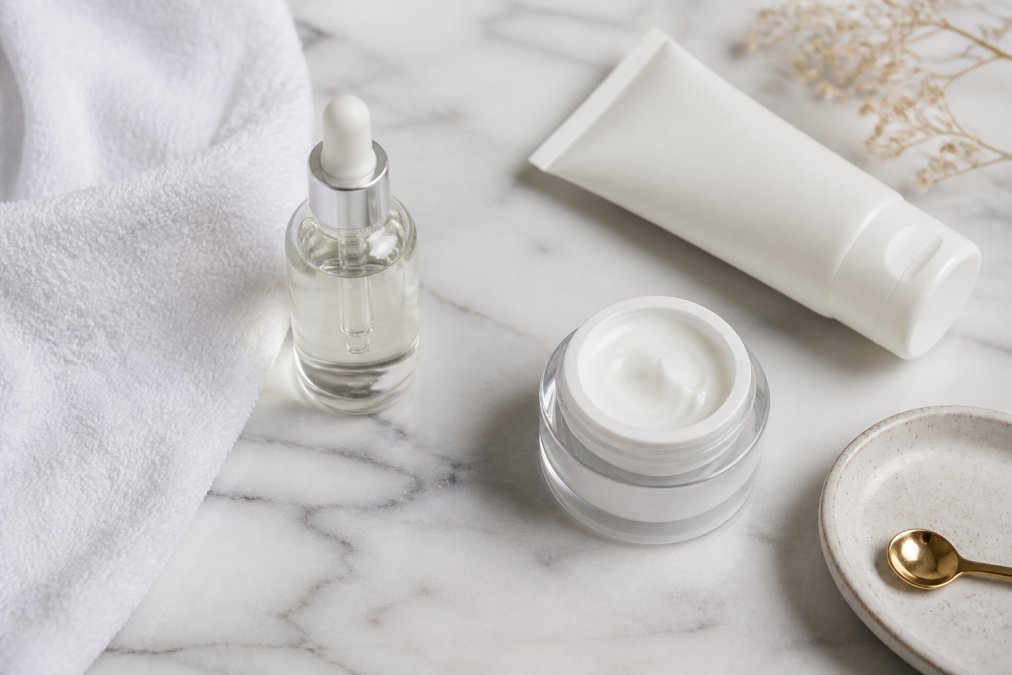
The Vampire Tx Face Serum combines GHK-Cu copper peptides with hyaluronic acid and bee venom in a single formula designed for high-performance, low-irritation repair. It delivers cellular repair ingredients without multi-product complexity, critical during recovery.

Budget-Conscious Alternatives That Actually Work
Barrier repair does not require expensive products. Petrolatum is one of the most effective occlusives studied. Colloidal oatmeal, recognized by the FDA as a skin protectant, reduces inflammation and supports barrier function affordably.
Plain mineral oil is a reliable emollient. Glycerin is one of the most effective humectants available and costs almost nothing. The logic of barrier repair is sound regardless of price: humectant, emollient, occlusive, sunscreen.
Ingredients to Avoid While Your Barrier Heals
The recovery phase requires a hard pause on specific ingredients. This is where most people stumble by keeping one "harmless" active or reintroducing too quickly.
Avoid these entirely during healing:
- Retinoids (retinol, tretinoin, retinaldehyde): increase cell turnover the compromised barrier cannot support
- High-concentration AHAs and BHAs (above 1%): dissolve the lipid cement between skin cells
- Vitamin C in low-pH formulations: cause stinging and oxidative stress
- Fragrance and essential oils: common irritants triggering inflammation
- Alcohol-based toners: strip the lipid barrier and disrupt pH
- Physical scrubs: create micro-tears in compromised skin
- Benzoyl peroxide above 2.5%: highly drying and disruptive to the microbiome
According to the National Eczema Association's ingredient safety guidance, fragrance is the most common contact allergen in skincare products and should be avoided by anyone with a compromised barrier.
How Long to Heal Skin Barrier: A Realistic Timeline
Healing time depends on damage severity and recovery protocol consistency. Mild damage from a week of over-exfoliation typically resolves within two to four weeks. Moderate damage from months of aggressive routines takes four to eight weeks. Chronic damage mismanaged for over a year can take three to six months.
As documented in research published by the National Institutes of Health on skin barrier function and repair, the stratum corneum regenerates through a lipid synthesis process requiring time even under optimal conditions. Reintroducing actives early is the single most common reason people cycle in and out of barrier damage without fully recovering.
| Phase | Duration | Focus |
|---|---|---|
| Acute recovery | Weeks 1-2 | Stripped routine, no actives, maximum barrier support |
| Stabilization | Weeks 3-4 | Barrier feels comfortable; maintain simplified routine |
| Reintroduction | Weeks 5-8 | Gradual return of mild actives, one at a time |
| Maintenance | Ongoing | Barrier-first approach with monitored active use |
The Psychological Toll of Chronic Barrier Damage
Chronic skin barrier damage affects more than the skin. Persistent redness, flaking, and sensitivity are visible, creating real anxiety around appearance. The cycle of trying new products, seeing temporary improvement, and regressing is demoralizing.
The impact is compounded because barrier damage often looks worse before improving during recovery, as skin purges and adjusts. Knowing this worsening is temporary and expected, not a sign of failure, maintains the consistency the barrier needs.
How to Safely Reintroduce Active Ingredients After Recovery
- Confirm recovery first. Skin should feel comfortable and stable for at least two consecutive weeks.
- Start with the mildest active. Niacinamide is the best first reintroduction.
- One new ingredient every two weeks. No stacking. If your skin reacts, you know which ingredient caused it.
- Begin at the lowest concentration. A 0.025% retinoid differs significantly from 0.1%. Start low and increase slowly.
- Buffer retinoids initially. Apply moisturizer first, then retinoid on top, reducing absorption rate and irritation risk.
- Monitor, don't assume. Tightness, stinging, or redness after reintroducing an ingredient means it is not ready. Pull it and wait another two weeks.
Post-Repair Maintenance: Keeping Your Barrier Strong
Fixing your barrier requires a permanent shift in routine approach. Treat your barrier as the foundation, not an afterthought. Every product decision should pass a basic test: does this support or stress the barrier?
Practical maintenance habits that prevent recurrence:
- Limit exfoliation to once or twice per week maximum
- Always pair retinoids with a ceramide-rich moisturizer
- Maintain sunscreen use year-round
- Adjust your routine seasonally: richer occlusives in winter, lighter humectants in summer
- Watch for early warning signs and simplify immediately rather than waiting for full breakdown
The goal is a barrier-first philosophy where actives are strategic tools, not routine defaults. Once rebuilt, maintenance is far less restrictive than recovery. The discipline is knowing when to pull back.
According to guidance from the American Academy of Dermatology on building a sustainable skincare routine, a consistent, simplified routine maintained over time outperforms a complex routine applied inconsistently. That principle applies directly to barrier health: sustainable simplicity beats aggressive cycling.
Frequently Asked Questions
Q: How do I know if my skin barrier is damaged?
A: The clearest signs of skin barrier damage are persistent redness, tightness after cleansing, flaking, and a sudden increase in skin sensitivity. Products that used to feel fine may start to sting or burn. Transepidermal water loss increases when the lipid barrier is compromised, so skin feels dry even right after moisturizing. If your skin looks dull and feels reactive for more than a week without an obvious cause, a damaged barrier is the likely explanation.
Q: How long does it take to heal a damaged skin barrier?
A: Mild barrier damage typically resolves within two to four weeks when you strip your routine back to basics and focus on ceramides, hyaluronic acid, and gentle occlusives. More severe damage from prolonged over-exfoliation or aggressive chemical peels can take six to eight weeks or longer. Consistency matters more than speed here. Reintroducing actives too early is the most common reason recovery stalls.
Q: What should I avoid when my skin barrier is damaged?
A: Avoid retinoids, alpha hydroxy acids, beta hydroxy acids, physical scrubs, alcohol-based toners, and fragranced products until your skin has fully recovered. Hot water and harsh cleansers also strip the stratum corneum of its remaining lipids. Over-exfoliation is the most frequent cause of barrier damage in the first place, so the recovery phase should involve zero exfoliation until redness and tightness have fully resolved.
Q: Can copper peptides help repair a damaged skin barrier?
A: Copper peptides, specifically GHK-Cu, support skin barrier repair by signaling cells to produce collagen and elastin while also promoting skin recovery. Unlike retinoids, they do not cause the initial irritation period that can worsen a compromised barrier. Paired with hyaluronic acid for moisture retention, copper peptides are one of the few active ingredients considered safe to use during the repair phase. Vampire Tx Face Serum combines GHK-Cu with hyaluronic acid for exactly this reason.
Chronic skin barrier damage is frustrating precisely because the instinct is to do more, try harder, and layer on more product. The recovery is the opposite of that instinct. The Vampire Tx Face Serum was formulated with this reality in mind: copper peptides for cellular repair, hyaluronic acid for deep hydration support, and an approach that delivers results without stressing a compromised barrier. Shop now and give your skin the recovery it actually needs.
This article was written using GrandRanker