
Table of Contents
- Why Non-Irritating Anti-Aging Serums Matter for Beginners
- What Makes a Serum Non-Irritating: Key Ingredients to Start With
- Beginner Retinol Serum: Starting Slow With Proven Actives
- How to Apply Face Serum Correctly for Maximum Benefit
- Hydrating Serum for Dry Skin: Building Your Base Layer
- Serum and Moisturizer Order: Layering for Best Results
- Common Mistakes Beginners Make With Anti-Aging Serums
- Frequently Asked Questions
Last Updated: October 10, 2026
Why Non-Irritating Anti-Aging Serums Matter for Beginners
Starting an anti-aging routine can feel overwhelming, especially when you're concerned about irritation. Many people delay skincare because they fear redness, sensitivity, or adverse reactions. The truth is that non-irritating anti-aging serums exist specifically to address this concern. They deliver active ingredients without the harsh side effects that deter beginners from committing to a routine.
At Vampire Tx, we understand that the best serum is one you'll actually use consistently. When a product causes discomfort or irritation, most people abandon it within weeks. Non-irritating formulas change that equation entirely. They allow your skin to adapt gradually to powerful anti-aging ingredients like retinol and peptides, building tolerance over time rather than shocking your skin into a reactive state.

The difference between irritating and non-irritating serums often comes down to concentration, formulation, and supporting ingredients. A beginner-friendly approach means starting with lower concentrations of active ingredients, pairing them with soothing compounds, and introducing them slowly into your routine (the American Academy of Dermatology). This methodical approach works because it respects your skin's barrier function while still delivering visible anti-aging benefits.
What Makes a Serum Non-Irritating: Key Ingredients to Start With
A non-irritating anti-aging serum is one formulated to minimize the risk of redness, burning, stinging, peeling, or barrier damage during the first 4-8 weeks of use. This doesn't mean the serum is completely inert; it means the active ingredients are present at concentrations and in combinations that allow gradual tolerance-building rather than immediate irritation.
Key ingredients that support non-irritation:
Hyaluronic acid hydrates without irritation and actually reduces the irritation potential of other actives by maintaining skin barrier hydration. Peptides (including copper peptides) deliver anti-aging benefits, improved firmness, texture, and elasticity, without the adjustment period associated with retinol or vitamin C.
Ceramides, niacinamide, and allantoin calm inflammation and actively reinforce your skin barrier, counteracting irritation risk from active ingredients. Glycerin and squalane provide lightweight hydration that prevents the dryness many beginners experience when starting anti-aging treatments. Panthenol (provitamin B5) soothes irritation and supports barrier repair.
Ingredients to avoid if you have reactive skin:
Fragrance (both synthetic and natural) is a leading cause of irritation in beginners and should be avoided entirely if you have sensitive skin or are introducing actives for the first time. Essential oils, even those marketed as "soothing" like lavender or chamomile, can trigger contact dermatitis or sensitization in reactive skin.
How to assess your own irritation tolerance:
Before committing to a full routine, perform a patch test: apply a small amount of serum to your inner arm or behind your ear, wait 24 hours, and observe for redness, itching, or burning. If no reaction occurs, apply the serum to a small area of your face (like one cheek) for 3-5 days before expanding to your full face.
Beginner Retinol Serum: Starting Slow With Proven Actives
Retinol is the gold-standard anti-aging active ingredient, with decades of research supporting its ability to reduce fine lines, improve skin texture, and boost collagen production.
Understanding retinol options for beginners:
Retinol itself is the most gentle retinoid option for beginners. It must be converted by your skin into retinoic acid (the active form), which means slower onset but also lower irritation risk.
The critical timing and frequency protocol:
Start with once or twice weekly application, not nightly. Your skin needs time to build tolerance. Many beginners jump to daily use immediately and experience redness, peeling, and irritation severe enough to quit the routine entirely.
Week 1-2: Apply retinol serum once per week, on a night when you have no other plans (in case redness develops). Use the "low and slow" method: apply a pea-sized amount to clean, slightly damp skin, wait 20 minutes, then apply moisturizer. This buffering technique reduces irritation significantly.
Week 3-4: Increase to twice weekly if your skin shows no persistent irritation (mild redness that resolves within a few hours is normal; redness that lasts 24+ hours signals you should stay at once weekly).
Week 5-6: If tolerated, move to three times weekly. Most beginners plateau here; nightly retinol use is not necessary for results and increases irritation risk.
Formulation choices that reduce irritation:
Prioritize retinol serums that include occlusive ingredients like squalane, jojoba oil, or ceramides. These seal in hydration and buffer retinol's intensity. Serums that combine retinol with peptides or niacinamide provide additional anti-aging and soothing benefits.
What to expect during the adjustment phase:
Mild redness, slight dryness, and minimal peeling are normal in weeks 1-3. These symptoms typically resolve by week 4 as your skin adapts.
How to Apply Face Serum Correctly for Maximum Benefit
Proper application of face serum determines whether you see results or waste product. The technique is straightforward but often overlooked by beginners. Start with clean, slightly damp skin, this allows the serum to penetrate more effectively and reduces the risk of irritation from concentrated actives on completely dry skin.
Dispense a pea-sized amount of serum onto your fingertips. This quantity is sufficient for your entire face and neck. Using too much serum doesn't increase benefits; it only increases the risk of irritation and wastes product. Apply the serum using gentle tapping motions across your forehead, cheeks, nose, and chin. Avoid pulling or tugging at the delicate eye area.
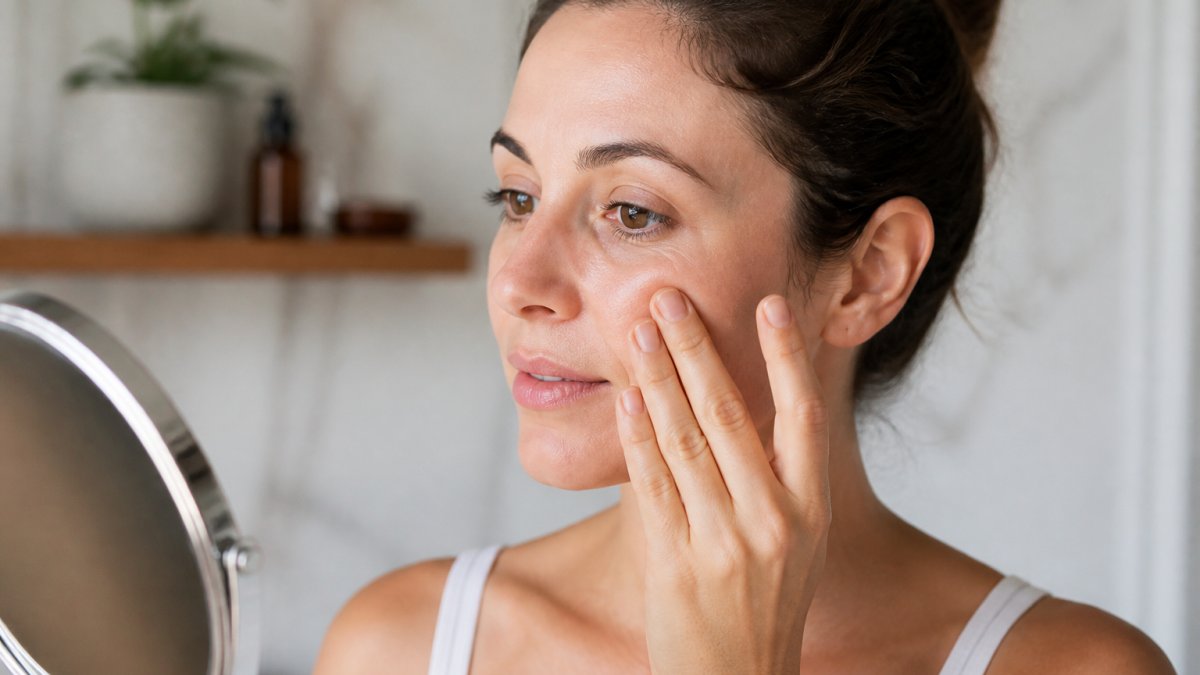
Allow the serum to absorb for 1-2 minutes before applying moisturizer. This brief wait ensures the active ingredients can penetrate without being diluted by heavier products. If you're using a retinol serum, wait slightly longer, 3-5 minutes, to allow the retinoid to begin working before you seal it in with moisturizer.
Hydrating Serum for Dry Skin: Building Your Base Layer
Dry skin accelerates visible aging. Fine lines appear more pronounced, skin texture looks uneven, and your complexion loses its natural radiance. Before layering active anti-aging ingredients, you need a hydrating serum foundation. This is non-negotiable for beginners with dry or dehydrated skin.
A hydrating serum for dry skin should contain hyaluronic acid, glycerin, and humectants that draw moisture into the skin. Look for serums that also include occlusives like squalane to lock that hydration in place. The hydrating serum becomes your base layer, applied first, before any active ingredients like retinol.
Many beginners make the mistake of skipping hydration in favor of jumping straight to active ingredients. This backfires. Dry, dehydrated skin is more reactive and irritable. It's also more prone to visible side effects from actives. Building hydration first creates a stable foundation where your skin can tolerate active anti-aging ingredients without excessive irritation or barrier damage.
Serum and Moisturizer Order: Layering for Best Results
The serum and moisturizer order determines how effectively your products work. The correct sequence is: cleanser → serum → moisturizer. Apply your serum first, wait 1-2 minutes for partial absorption, then apply moisturizer to seal everything in.
This order matters because serums contain smaller molecular structures that penetrate skin more easily than heavier moisturizers. If you apply moisturizer first, you create an occlusive barrier that prevents the serum's active ingredients from reaching deeper skin layers. The result is reduced efficacy and wasted product.
For beginners using a hydrating serum plus an active serum (like a retinol serum), the order is: hydrating serum first, then active serum, then moisturizer. This allows the hydrating serum to prepare your skin and reduce irritation risk from the active ingredient.
Common Mistakes Beginners Make With Anti-Aging Serums
The most frequent mistake is using too much serum. Beginners often assume that more product equals faster results. In reality, excess serum sits on your skin's surface, increases irritation risk, and wastes money. A pea-sized amount is genuinely sufficient for your entire face and neck.
Another critical error is mixing incompatible actives. Combining retinol with vitamin C, niacinamide, or acids in the same routine overwhelms your skin and triggers unnecessary irritation. Beginners should use one active ingredient at a time, allowing their skin to adapt for at least 4-6 weeks before adding a second active.
Skipping the moisturizer step is equally damaging. Some beginners believe that serums eliminate the need for moisturizer, especially if they have oily skin. This is false. Even oily skin needs a lightweight moisturizer to seal in serum benefits and maintain barrier health. Skipping this step leads to irritation, sensitivity, and reduced serum efficacy.
Finally, beginners often abandon their routine after 2-3 weeks without seeing dramatic results. Anti-aging serums work gradually. Visible improvements in fine lines, texture, and firmness typically appear after 6-8 weeks of consistent use. Patience is essential. Switching products every few weeks prevents you from ever seeing real results.
Starting a non-irritating anti-aging serum routine doesn't require expensive products or complicated steps. Vampire Tx Face Serum combines copper peptides and bee venom, two powerful yet gentle anti-aging ingredients, with hyaluronic acid for hydration, making it an ideal choice for beginners concerned about irritation. At just $19, it delivers high-performance anti-aging benefits without the luxury brand markup. Shop now and lock your skin in its prime.
Frequently Asked Questions
Can you use an anti-aging serum with sensitive skin?
Yes, but you need to choose non-irritating formulas carefully. Look for serums with gentle hydrating ingredients like hyaluronic acid and avoid high concentrations of active ingredients when starting out. Introduce the serum slowly, start with once or twice weekly, and watch for redness or stinging. If irritation occurs, reduce frequency or switch products. Many beginners with sensitive skin find success with copper peptides and bee venom formulations because they support skin barrier health while providing anti-aging benefits without the harshness of strong chemical exfoliants.
Which serum should beginners use to avoid irritation?
Beginners should start with serums that prioritize hydration and skin barrier support over aggressive actives. Hyaluronic acid-based serums are excellent entry points because they draw moisture into skin without causing irritation. Copper peptides are beginner-friendly active ingredients that improve firmness and texture gently. The Vampire Tx Face Serum combines copper peptides with hyaluronic acid and bee venom at $19, making it an accessible option for beginners seeking non-irritating anti-aging benefits. Start with 2-3 times weekly and increase frequency only after your skin adapts over 2-3 weeks.
How often should a beginner use an anti-aging serum?
Begin with 2-3 applications per week for the first 2-3 weeks to let your skin adapt. Once your skin tolerates the serum without redness, irritation, or dryness, increase to daily use or alternate days based on your skin's needs. Some beginners do better with every-other-day application long-term, especially if they have sensitive or reactive skin. Pay attention to how your skin responds, if you notice increased sensitivity or a compromised barrier, dial back frequency. Non-irritating serums are gentler than prescription retinoids, so most beginners can reach daily use within a month.
What is the best hydrating serum for dry skin starting anti-aging?
A hydrating serum for dry skin should contain hyaluronic acid as the primary ingredient, often paired with glycerin or other humectants that bind water to skin. For anti-aging benefit alongside hydration, look for serums that also include peptides or plant-derived actives that support firmness without drying skin further. Layer a hydrating serum under a rich moisturizer to seal in hydration and prevent transepidermal water loss. This combination is especially important for beginners with dry skin because it addresses both aging concerns and barrier health simultaneously, reducing the risk of irritation from more aggressive actives.