
Last Updated: October 31, 2026
Quick Summary
Natural alternatives to Botox cannot freeze muscle movement, so they work differently. Topical ingredients like humectants, retinoids, antioxidants, and peptides can support softer, firmer-looking skin over time, mainly for static wrinkles. Expect gradual, supportive results rather than a Botox-style effect.
- Botox relaxes muscles, while most topical products act on the skin surface and hydration.
- Retinoids typically take 8-12 weeks to show results and require daily sunscreen.
- Give each new product at least eight weeks before judging whether it works.
- Patch test new products on the jawline for three to five days before full use.
- Anyone with a bee sting allergy should avoid bee venom products entirely.
Table of Contents
- What Natural Alternatives to Botox Can and Cannot Do
- Topical Ingredients That Support Wrinkle Appearance
- Bee Venom Skincare Benefits and Risks for Sensitive Skin
- Facial Exercises, Patches and Natural Oils: What the Evidence Shows
- Non-Invasive Treatments for Forehead Wrinkles Compared
- How to Prevent Wrinkles Naturally and Choose the Right Routine
- Your Next Step: Testing a Peptide Serum Before Committing
- Frequently Asked Questions
What Natural Alternatives to Botox Can and Cannot Do
Natural alternatives to Botox are not the same treatment in a jar. Botox works by temporarily relaxing the muscles that create expression lines, while most topical products work on the skin itself. That difference sets the realistic expectations for everything below. The honest starting point is knowing what a serum can and cannot change.
Topical products can support the look of skin that is firmer, smoother, and better hydrated. They are not designed to freeze muscle movement, and no bottle can reverse deep structural aging on its own. American Academy of Dermatology guidance on wrinkle treatments is a useful reference for understanding how dermatologists separate cosmetic results from medical procedures.
Dynamic Versus Static Wrinkles
Dynamic wrinkles form from repeated facial movement, like frown lines and crow's feet. Static wrinkles remain visible at rest because the skin has lost thickness and elasticity over time. Natural approaches tend to fit static wrinkles better, since they target the skin's surface and hydration. Expression lines that appear only when you move need a different plan, and that is where the trade-offs begin.
Topical Ingredients That Support Wrinkle Appearance
Topical ingredients fall into a few functional buckets, and knowing which bucket an ingredient belongs to tells you what it can realistically do. None of them relax muscle, but they can improve hydration, support the skin barrier, and gradually influence texture and tone.
Humectants (hydration). Hyaluronic acid, glycerin, and panthenol draw and hold water in the upper skin layers. The effect is real but temporary: fine lines look softer within days, and the improvement fades when you stop. Humectants are the safest entry point for sensitive skin and pair well with almost everything else.
Retinoids (texture and tone). Retinol and its derivatives are the most evidence-backed cosmetic actives for improving the look of fine lines and uneven texture over time. Results typically take several weeks and build with continued use. Expect some dryness and flaking during the first few weeks; start two to three nights per week and buffer with moisturizer. Retinoids increase sun sensitivity, so daily sunscreen is non-negotiable (the FDA). Avoid during pregnancy and while breastfeeding unless a clinician approves.
Antioxidants (protection support). Vitamin C, vitamin E, and ferulic acid help defend against daily environmental stress. Vitamin C can also support a more even-looking tone. It is unstable in some formulas, so opaque packaging and a short ingredient list matter. Sensitive skin may sting initially; patch test first.
Peptides (support). Peptides are short amino acid chains that signal or support skin processes. Learn how GHK-Cu copper peptides support collagen and fine lines in a deeper guide. Copper peptides (GHK-Cu) are used in cosmetic formulas to support the look of firmness and smoothness. Signal peptides and carrier peptides appear in many creams. Evidence is promising but generally smaller and shorter than the retinoid literature, so treat peptide claims as supportive rather than transformative.
Niacinamide (barrier and tone). A versatile B-vitamin that supports the barrier and can help with the look of redness and uneven tone. Most skin types tolerate it well at common cosmetic levels; very sensitive skin should introduce it slowly.
A practical way to compare these is by what they change and how fast:
| Ingredient type | Primary effect | Time to notice | Key caveat |
|---|---|---|---|
| Humectants (hyaluronic acid, glycerin) | Temporary plumping, softer fine lines | Days | Fades without continued use |
| Retinoids (retinol) | Texture and tone over time | 8-12 weeks | Dryness, sun sensitivity, pregnancy caution |
| Antioxidants (vitamin C) | Environmental defense, brighter look | Weeks to months | Formula stability varies |
| Peptides (including GHK-Cu) | Support for firmness and smoothness | Weeks to months | Smaller evidence base than retinoids |
| Niacinamide | Barrier support, more even tone | Weeks | Introduce slowly if sensitive |
A common mistake is expecting one ingredient to do everything. Build a routine with one humectant, one supportive active, and daily sunscreen, then add a retinoid or peptide once your skin has adjusted. Give each new product at least eight weeks before judging it, and change one variable at a time so you can tell what is working.
The Vampire Tx Face Serum combines copper peptides (GHK-Cu), hyaluronic acid, and bee venom in one step, which simplifies a routine built around hydration and peptide support.

Bee Venom Skincare Benefits and Risks for Sensitive Skin
Bee venom is the most polarizing ingredient in this category. Skeptics point out that the human clinical evidence is thin, and that venom-derived ingredients can trigger reactions. Read what the clinical evidence shows about bee venom and deep wrinkles before deciding. Compare bee venom with copper peptides on benefits and side effects to see how the two options differ.
If your skin reddens or stings easily, patch test before full use. Apply a small amount to the jawline or behind the ear for several days. Stop use if you notice swelling, itching, or burning that does not settle. Anyone with a known bee sting allergy should avoid bee venom products entirely and consult a physician first.
Anyone asking whether bee venom is safe for daily use should look for clear labeling, a short ingredient list, and a patch test before committing.
Facial Exercises, Patches and Natural Oils: What the Evidence Shows
These three approaches are popular because they are low-cost and non-invasive, but their evidence and their mechanisms are very different. Separating them by evidence quality and by how long any effect lasts is the most useful way to judge them.
Facial exercises. Facial yoga and resistance exercises aim to tone the muscles under the skin. A realistic expectation is a subtle change in how the face looks and feels, not a reversal of static lines. The commitment is daily practice for at least eight to twelve weeks before judging. There is no product cost, but incorrect technique or overworking the face can aggravate jaw or temple tension in some people. Stop if you notice pain or headaches.
Wrinkle patches. Overnight patches and silicone patches work mainly by occluding the skin and holding in moisture, which plumps the surface for a few hours. Silicone patches may also reduce friction on the skin while you sleep. The effect is temporary and fades after removal; patches are best thought of as a smoothing step before an event rather than a treatment for static lines. They are generally safe, but adhesive residues can irritate sensitive skin, so patch test on the jawline first and avoid applying over broken skin.
Natural oils. Rosehip, argan, and frankincense oils are emollients: they soften the skin surface and support the barrier, which can make fine lines look less pronounced. They do not contain retinoids or peptides and are not proven to reverse wrinkles. Oils can be comedogenic for some people, particularly on acne-prone skin; Nut-derived oils carry allergy risk, so check the source if you have a known allergy.
A side-by-side view of what to expect:
| Approach | Mechanism | Time to any effect | How long it lasts | Main safety note |
|---|---|---|---|---|
| Facial exercises | Muscle tone under the skin | 8-12 weeks of daily practice | Uncertain; fades without practice | Stop if pain or tension |
| Wrinkle patches | Occlusion and hydration | Overnight | Hours after removal | Adhesive irritation |
| Natural oils | Emollient barrier support | Days | Hours to a day | Comedogenic and allergy risk |
The pattern across all three is consistent: small, short-lived changes are common, and dramatic claims are rarely backed by strong data. If your goal is softer-looking fine lines before an event, patches and oils can help. If your goal is gradual improvement in texture over months, these approaches are supportive at best and work better alongside evidence-backed topicals and daily sunscreen.
Read every promise with that pattern in mind, and judge each option by evidence quality, time to results, and how long the effect lasts rather than by the strength of the marketing.
Non-Invasive Treatments for Forehead Wrinkles Compared
Forehead lines respond to several non-invasive options, each with different costs, downtime, and expected results. Professional options such as chemical peels, microneedling, and laser treatments can address texture and tone, but they require a provider and often several sessions. At-home devices are cheaper but generally gentler in effect.
Compare options by three factors: cost per session or per bottle, how long results last, and how much recovery time you can accept. A simple comparison helps:
| Option | Typical Commitment | Results Timeline | Best For |
|---|---|---|---|
| Topical serum | Daily, ongoing | Weeks to months | Routine support, hydration |
| Facial exercises | Daily, ongoing | Uncertain | Low-cost, no product needed |
| Professional microneedling | Several sessions | Weeks after treatment | Texture and tone |
| At-home device | Regular use | Weeks to months | Budget-conscious routines |
Consider asking a dermatologist which option fits your skin before spending heavily.
How to Prevent Wrinkles Naturally and Choose the Right Routine
Prevention is where natural approaches are strongest. Daily sunscreen is widely considered an important step, since UV exposure contributes to visible aging on the face. Follow a step-by-step plan to reduce deep wrinkles with sun protection, retinoids, and daily habits. CDC guidance on sun protection explains why consistent sun protection matters for long-term skin health.
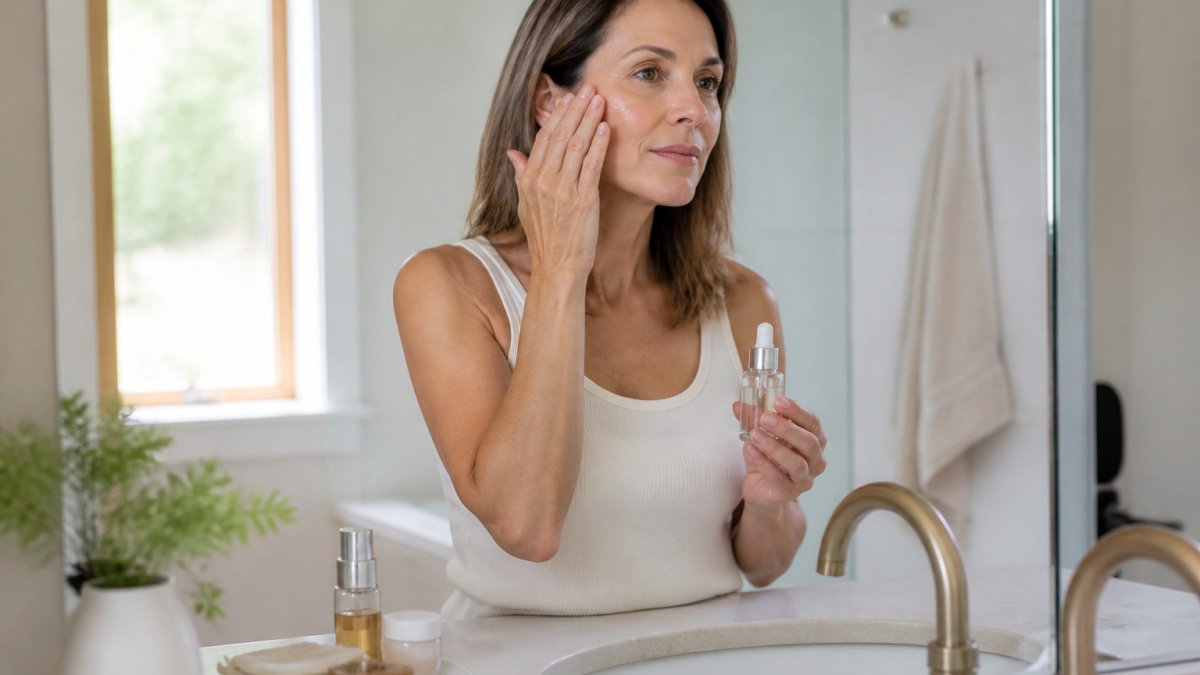
A practical routine keeps things simple: cleanse, apply a hydrating serum, moisturize, and wear sunscreen by day. Avoid stacking too many strong actives at once, especially if your skin is sensitive. Sleep position and hydration also play a role in how skin looks over time.
For many readers, the right routine is the one they will actually keep doing. Pick two or three products, use them consistently for at least eight to twelve weeks, then reassess.
Your Next Step: Testing a Peptide Serum Before Committing
If you want to test a copper peptide and bee venom serum, start with a small trial period and a patch test. Keep notes so you can judge results objectively rather than by memory.
The VAMPIRE TX FACE SERUM is priced at $19.00 and is formulated with copper peptides (GHK-Cu), hyaluronic acid, and bee venom. Use it as part of a simple routine and give it honest time to show whether it suits your skin.
Frequently Asked Questions
Is bee venom safe for daily use?
Bee venom is used in topical skincare at low concentrations, and most people tolerate it, but it is a potent ingredient and not suited to everyone. Anyone with a known bee sting allergy should avoid it entirely. People with sensitive or reactive skin should patch test on the inner forearm for several days before applying it to the face. Start with a few nights per week and increase only if the skin stays calm. Stop use and consult a dermatologist if redness, stinging or swelling persists.
How long does it take to see results from topical wrinkle treatments?
Topical treatments work gradually. Hydration-related smoothing from serums can appear within days, but changes to fine lines typically take several weeks of consistent use, and many people judge results after about 8 to 12 weeks. Expect modest effects rather than the immediate, muscle-based smoothing that Botox produces. Consistent daily use with sunscreen matters more than any single ingredient.
Can a serum really help deep forehead wrinkles?
A topical serum can improve the look of skin texture and hydration, which makes lines appear softer, but it will not erase deep, static creases the way a muscle-relaxing injection can. Deep forehead lines often reflect long-term sun damage and repeated movement, so realistic expectations are important. For deeper lines, a dermatologist can discuss in-office options alongside a daily topical routine.
How does Vampire Tx compare with a basic retinol routine?
Vampire Tx Face Serum combines copper peptides, hyaluronic acid and bee venom in a single product priced at $19.00. Check the full ingredient list on the product page to decide which fits your skin.
