
Table of Contents
- Why Proactive Skincare Matters in Your Late 20s
- When to Start Anti-Aging Skincare: The Late 20s Window
- Essential Steps for Your Daily Preventative Skincare Routine
- Best Ingredients for Late 20s Skin
- Benefits of Copper Peptides for Skin Health
- Building a Simplified Routine That Actually Works
- What to Avoid: Common Skincare Mistakes in Your Late 20s
- Conclusion
- Frequently Asked Questions
Last Updated: September 23, 2026
Why Proactive Skincare Matters in Your Late 20s
Your late 20s represent a critical window for proactive skincare for late 20s. This is when early signs of aging begin to emerge, fine lines, loss of elasticity, and the first hints of pigmentation changes. Starting a preventative skincare routine now can slow these processes dramatically and set the foundation for healthier skin decades ahead.
The key insight most people miss is timing. By the time visible damage appears, it's already progressed at the cellular level. Preventative maintenance works because it addresses skin health before problems become visible. Think of it like dental care: brushing and flossing prevent cavities far more effectively than waiting for a root canal.
In your late 20s, your skin still has remarkable regenerative capacity. Cell turnover remains efficient, collagen production is still strong, and your skin barrier function responds quickly to targeted treatment. This is your advantage, the window closes as you age, making action now exponentially more valuable than action later.
When to Start Anti-Aging Skincare: The Late 20s Window
The best time to start anti-aging skincare is now, in your late 20s, before visible damage accumulates. This isn't about vanity, it's about prevention. Waiting until you see wrinkles means you're already fighting an uphill battle against photoaging and cellular decline.
Dermatologists widely recommend beginning preventative skincare in your mid-to-late 20s because this is when UV exposure and environmental stressors begin compounding. Your skin's natural defenses, collagen production, cell turnover, and antioxidant capacity, start a gradual decline. Starting a proactive routine now means you're working with your skin's biology, not against it.
The specific ingredients matter at this stage. Your late 20s skin responds best to gentle but effective actives: broad-spectrum sunscreen, retinoids for cell turnover, and antioxidants for free radical damage protection. These address the root causes of aging rather than masking symptoms.
Many people delay because they think anti-aging skincare is only for those with visible wrinkles. That's backward.
Essential Steps for Your Daily Preventative Skincare Routine
A simplified preventative routine doesn't require ten steps. In fact, routine fatigue, the tendency to abandon skincare because it feels overwhelming, undermines consistency more than any other factor. Your late 20s routine should be efficient, effective, and sustainable. Focusing on these core pillars ensures that your approach to preventative skin care remains manageable as you navigate the evolving needs of your complexion.
Cleansing and Makeup Removal
Cleansing is the unglamorous foundation that makes everything else work. A gentle cleanser removes environmental debris, excess sebum, and makeup without stripping your skin barrier. Your skin barrier function is critical at this stage, damage it now and you'll spend years repairing it.
Sun Protection and Broad-Spectrum SPF
Sun protection is non-negotiable for proactive skincare. Photoaging, damage from UV radiation, accounts for 80% of visible skin aging. This isn't theory; it's documented across decades of dermatological research. A broad-spectrum SPF 30 minimum should be applied daily, even on cloudy days (the American Academy of Dermatology).
Hydration and Skin Barrier Function
Hydration isn't just about feeling moisturized, it's about maintaining your skin barrier function. A compromised barrier allows water to escape and irritants to penetrate, accelerating visible aging. Hyaluronic acid is the gold standard for hydration in your late 20s because it holds up to 1000 times its weight in water.
Best Ingredients for Late 20s Skin
Your late 20s skin responds best to ingredients that support cell turnover, protect against free radical damage, and strengthen your skin barrier. These ingredients work synergistically when chosen thoughtfully.
Retinoids for Cell Turnover and Fine Lines
Retinoids are the most evidence-backed anti-aging ingredient available. They accelerate cell turnover, stimulate collagen production, and reduce fine lines. Starting in your late 20s means you're building collagen reserves before decline becomes noticeable.
Antioxidant Serums and Vitamin C
Antioxidants neutralize free radicals, unstable molecules that damage skin cells and accelerate aging. Environmental stressors like pollution, UV exposure, and stress generate free radicals constantly. Antioxidant serums provide active defense against this damage.
Hyaluronic Acid for Skin Hydration
Hyaluronic acid is a humectant, a molecule that draws water into the skin. Unlike occlusive moisturizers that seal moisture in, hyaluronic acid actively hydrates from within. In your late 20s, when your skin's natural moisture retention is still strong, hyaluronic acid provides ideal support without heaviness.
Benefits of Copper Peptides for Skin Health
Copper peptides are an emerging ingredient gaining recognition for their role in skin repair and collagen synthesis. These peptides, short chains of amino acids bound to copper, signal skin cells to increase collagen and elastin production, supporting skin elasticity and firmness.
Building a Simplified Routine That Actually Works
The most sophisticated proactive skincare for late 20s fails if you don't stick with it. Consistency beats complexity every time. Your late 20s routine should take five minutes or less and address the core aging drivers without overwhelming you.
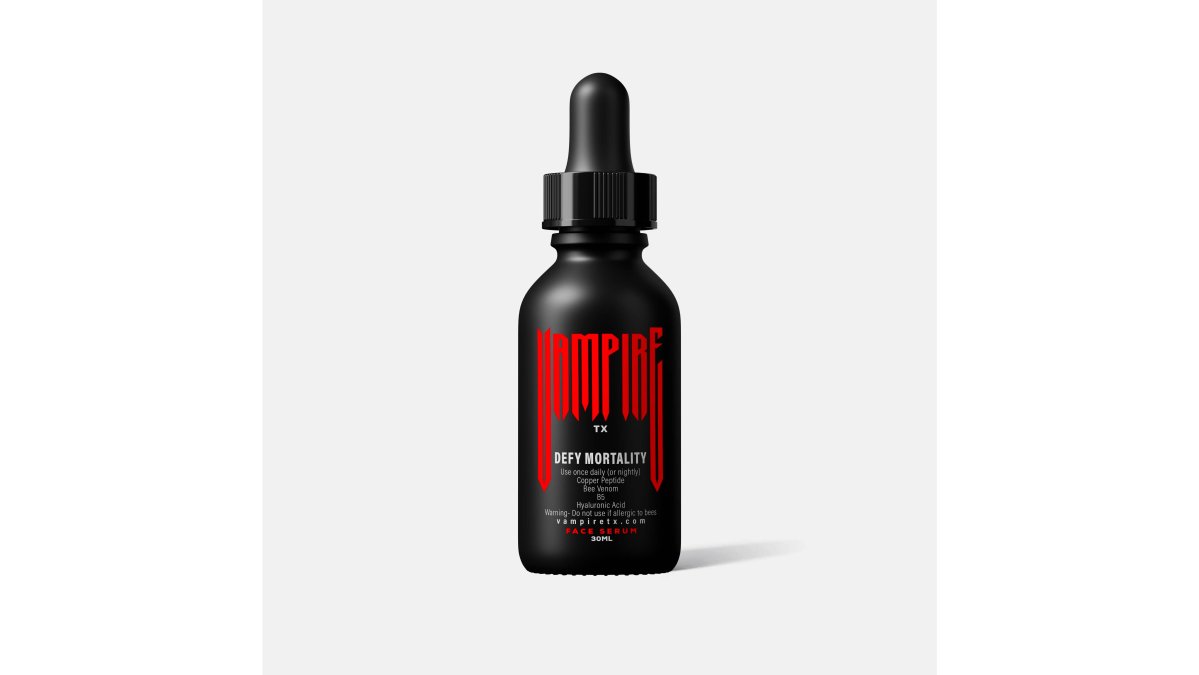
Here's a realistic routine that works:

Morning:
- Gentle cleanser (1 minute)
- Hyaluronic acid serum (30 seconds)
- Lightweight moisturizer (30 seconds)
- Broad-spectrum SPF 30+ (1 minute)
Evening:
- Oil cleanser (if wearing makeup) (1 minute)
- Water-based cleanser (1 minute)
- Retinoid or copper peptide serum (30 seconds)
- Moisturizer (30 seconds)
Consistency Hacks to Prevent Routine Fatigue
Routine fatigue is real. Most people abandon skincare because it feels like a chore, not because the products don't work. The fix is removing friction.
Addressing Hormonal Skin Fluctuations
Hormonal fluctuations in your late 20s can trigger breakouts, sensitivity, and texture changes. Your proactive routine should account for these predictable shifts rather than treating them as random problems.
What to Avoid: Common Skincare Mistakes in Your Late 20s
The mistakes you make now compound over time. Avoiding these pitfalls preserves your skin's resilience and prevents damage that takes years to repair.
Conclusion
Proactive skincare in your late 20s isn't vanity, it's prevention. The choices you make now determine your skin's health for decades. A simplified routine that emphasizes sun protection, hydration, and cell turnover will outperform any complicated regimen you abandon after two weeks.
Frequently Asked Questions
What is the best skincare for people in their late 20s?
The best proactive skincare for late 20s focuses on prevention rather than correction. You need a gentle cleanser, broad-spectrum sunscreen (SPF 30+), a hydrating moisturizer with hyaluronic acid, and an active ingredient like a mild retinoid or antioxidant serum. This combination addresses early signs of photoaging, maintains skin barrier function, and prevents fine lines before they deepen. Adding a high-performance serum with copper peptides accelerates cellular repair and collagen production without the complexity of a multi-step routine.
Is 27 too late to start skin care with anti-aging ingredients?
Absolutely not. Your late 20s is the ideal time to start preventative anti-aging skincare. Collagen production begins to decline in the mid-20s, and environmental stressors accumulate daily. Starting now prevents deeper wrinkles and pigmentation issues that are far harder to address later. Retinoids, antioxidants, and peptides work best as preventative maintenance rather than corrective treatments, making your late 20s the perfect window to begin.
What are the benefits of copper peptides for skin?
Copper peptides (GHK-Cu) stimulate collagen production, improve skin elasticity, and accelerate cell turnover. They work by signaling your skin to repair and regenerate damaged tissue, making them particularly effective for preventing fine lines and maintaining skin texture. Unlike harsher actives, copper peptides are gentle enough for daily use and work synergistically with other ingredients like hyaluronic acid and bee venom to enhance hydration and firmness simultaneously.
How long does it take to see results from a proactive skincare routine?
Most people notice improved skin hydration and texture within 2-4 weeks of consistent use. Visible improvements in fine lines, firmness, and skin elasticity typically appear after 8-12 weeks because cell turnover takes time. The key is consistency, skipping days slows results. With ingredients like copper peptides and antioxidants, you're building preventative benefits that compound over months, so patience and daily adherence matter more than expecting overnight transformation.
Can I use retinol if I have sensitive or acne-prone skin?
Yes, but start low and go slow. Begin with the lowest concentration (0.25-0.3%) once or twice weekly, then gradually increase frequency as your skin adapts. Apply to clean, dry skin and use a moisturizer with hyaluronic acid afterward to support your skin barrier function. If redness or irritation persists after two weeks, pause and consult a dermatologist. Many people with acne-prone skin benefit from retinoids because they improve cell turnover and reduce sebum regulation issues, but sensitivity varies individually.
What's the difference between exfoliation with AHAs and BHAs for late 20s skin?
AHAs (alpha hydroxy acids) work on the skin surface to improve texture and address pigmentation, while BHAs (beta hydroxy acids like salicylic acid) penetrate pores to prevent acne. For late 20s skin, AHAs are better for general preventative maintenance and fine line prevention, while BHAs suit acne-prone or oily skin. Use either 2-3 times weekly, not daily, to avoid compromising your skin barrier. Pair with hydrating ingredients and sunscreen to prevent irritation and photoaging.
How do hormonal skin fluctuations affect my late 20s skincare routine?
Hormonal changes throughout your cycle can increase sebum production, trigger breakouts, or cause sensitivity, even in your late 20s. Track when flare-ups occur and adjust your routine accordingly: use lighter hydration during high-sebum phases and richer moisturizers during dry phases. Consistent use of copper peptides and antioxidants helps stabilize skin health across hormonal shifts. If severe acne or persistent sensitivity occurs, consult a dermatologist about hormonal factors affecting your skin.