
Last Updated: October 22, 2026
Quick Summary
Is bee venom safe for daily use? For most people with healthy skin, yes, but you should start with 2-3 applications per week and gradually increase to daily use after your skin adapts. Patch testing first is essential, especially if you have sensitive skin or bee allergies.
- Start with 2-3 applications per week, then increase to daily use after 2-3 weeks if your skin tolerates it well.
- Mild redness, warmth, and tingling are normal and typically fade within 15-30 minutes as your skin adjusts.
- Patch test on a hidden area like your inner forearm for 24-48 hours before applying to your face.
- Avoid bee venom if you have documented bee allergies, severe eczema, active rosacea, or are pregnant without doctor approval.
- Most people notice visible improvements in skin texture and firmness within 4-6 weeks of consistent daily use.
Table of Contents
- What Bee Venom Is and How It Works in Skincare
- Is Bee Venom Safe for Daily Use?
- Bee Venom Cream Side Effects You Should Know
- How Often to Use Bee Venom Cream: Frequency and Duration
- Bee Venom Allergy Symptoms and Who Should Avoid It
- How to Patch Test Bee Venom Serum Safely
- What to Do If You Experience a Reaction
- The Bottom Line: Daily Bee Venom Use and Your Skin
- Frequently Asked Questions
What Bee Venom Is and How It Works in Skincare
Bee venom is a complex mixture of proteins and enzymes collected from honeybees. The main active ingredient is melittin, which makes up about 40-50% of the venom. Other key compounds include apamin, phospholipase A2, and hyaluronidase.
When applied topically in skincare products, bee venom works by creating mild inflammation. This might sound counterintuitive, but controlled inflammation actually signals your skin to produce more collagen and elastin. The result is firmer, smoother-looking skin over time.
The venom extract used in cosmetics is highly purified and diluted. Products like our Vampire Tx Face Serum blend bee venom with other active ingredients like copper peptides and hyaluronic acid to maximize anti-wrinkle benefits while minimizing irritation.

Bee venom has been used in traditional medicine for centuries (Therapeutic Use of Bee Venom and Potential Applications in Veterinary Medicine).
Is Bee Venom Safe for Daily Use?
Is bee venom safe for daily use? The answer depends on your skin type, sensitivity level, and how the product is formulated. For most people with healthy skin, bee venom serum can be used daily when applied correctly. However, starting slowly is essential.
If you're new to bee venom products, begin with 2-3 times per week. This gives your skin time to adjust to the active ingredients. Many people experience no irritation at this frequency. After 2-3 weeks, you can increase to daily use if your skin tolerates it well.
The concentration matters significantly. A well-formulated product like Vampire Tx Face Serum contains bee venom at safe, effective levels, not so high that it causes constant irritation, but concentrated enough to deliver visible results.
Daily use is generally safe for:
- People with normal to oily skin
- Those without bee allergies or sensitivities
- Anyone who has successfully patch tested first
- Individuals not using other strong actives like retinol simultaneously
Start with less frequent application and work your way up. Your skin will tell you if it needs a break. Redness that persists beyond a few minutes, burning sensations, or excessive swelling are signs to dial back frequency.
Bee Venom Cream Side Effects You Should Know
Bee venom cream side effects are usually mild and temporary. The most common reaction is mild redness or warmth on the skin immediately after application.
Some people experience slight tingling or a prickling sensation. This is normal and not dangerous. It means the active ingredients are engaging with your skin cells.
More noticeable side effects can include:
- Temporary swelling or puffiness (especially around sensitive areas like under eyes)
- Slight itching or irritation
- Dry skin if used too frequently
- Mild stinging sensation during application
These reactions usually fade as your skin adapts. They're not signs you should stop using the product, they're signs you should reduce frequency or concentration.
However, some people should be more cautious. Those with eczema or severe rosacea may find bee venom too stimulating. The inflammatory response it triggers can aggravate existing conditions.
Dry skin can develop if bee venom is layered with other drying ingredients. Balance it with hydrating products. Hyaluronic acid (which is in Vampire Tx Face Serum) helps prevent this by drawing moisture into the skin.
How Often to Use Bee Venom Cream: Frequency and Duration
How often to use bee venom cream depends on your skin's tolerance and your goals. There's no one-size-fits-all answer, but here's what works for most people.
Week 1-2: Introduction Phase Start with 2-3 applications per week. Apply a small amount (about the size of a rice grain) to clean skin. This allows your skin barrier to adjust without overwhelming it.
Week 3-4: Transition Phase If no irritation develops, move to 4-5 times per week. Your skin is now acclimated to the active ingredients. You should start noticing subtle improvements in skin texture and firmness.
Week 5+: Maintenance Phase Daily use is appropriate for most people once their skin has adapted. Apply once daily, preferably in the evening.
How long until you see results? Most people notice improvements in 4-6 weeks of consistent use. Fine lines appear softer. Skin looks more hydrated and plump.
Duration of use matters. Bee venom works best as a long-term commitment, not a short-term fix. Three months of consistent daily use will deliver better results than sporadic application over six months.
If you're using other active ingredients like retinol or vitamin C, reduce bee venom frequency to 3-4 times per week. Combining too many actives too quickly causes irritation and sensitivity.
Bee Venom Allergy Symptoms and Who Should Avoid It
Bee venom allergy symptoms range from mild to severe. Most people with bee allergies experience local reactions, redness and swelling at the application site. These appear within minutes to an hour after application.
Common allergy signs include:
- Immediate redness or hives at the application site
- Itching that doesn't stop after 30 minutes
- Swelling that worsens over time
- Burning sensation that intensifies rather than fades
- Difficulty breathing (rare but serious)
- Throat tightness or facial swelling (seek emergency care immediately)
If you experience any of these, wash the product off immediately with cool water. Apply a soothing moisturizer. Most mild reactions resolve within a few hours.
Who should avoid bee venom products entirely:
- People with documented bee allergies
- Those allergic to bee pollen
- Anyone with a history of anaphylaxis from insect stings
- Individuals with severe, widespread eczema
- People with active hives or severe rosacea
- Pregnant women (unless cleared by a doctor)
If you're unsure whether you have a bee allergy, a patch test is mandatory before any daily use. Many people think they're allergic when they're just sensitive, the patch test clarifies this.
Cross-reactivity is possible. If you're allergic to honey, propolis, or royal jelly, bee venom carries higher risk. These all come from bees and share similar proteins.
How to Patch Test Bee Venom Serum Safely
How to patch test bee venom serum is straightforward and takes less than a week.
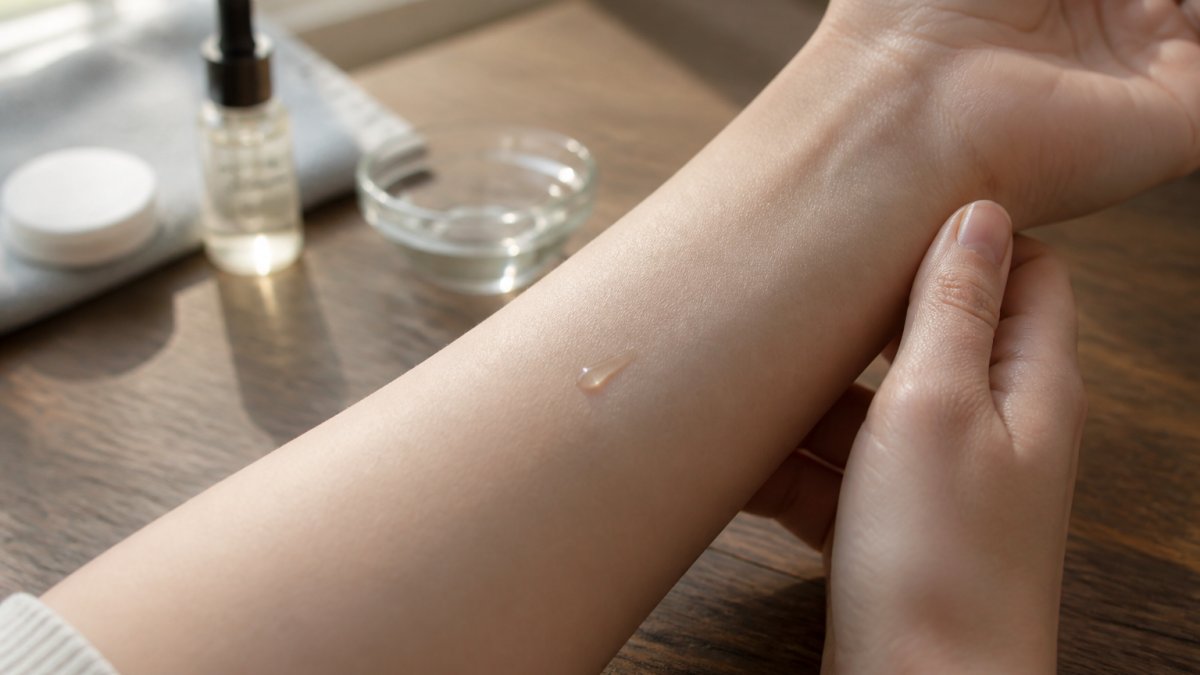
Step 1: Choose Your Test Site Pick an area of skin that's sensitive but hidden. The inner forearm, behind the ear, or inside the elbow works well.
Step 2: Apply a Small Amount Use a tiny amount, about the size of a pinhead. Clean the test area first with mild soap and water. Pat dry completely.
Step 3: Wait and Observe Monitor the area for 24-48 hours. Note any changes:
- Redness that appears and fades is normal
- Persistent redness after 2 hours is a caution sign
- Swelling or hives means stop immediately
- Itching that continues is a warning
Step 4: Gradual Expansion If no reaction occurs after 48 hours, apply the serum to a small area of your neck. Wait another 24 hours.
Step 5: Full Face Introduction Only after 3-4 days of successful patch testing should you apply to your full face. Start with 2-3 times per week as described earlier.
Keep a simple log:
- Date of patch test
- Amount applied
- Any reactions and timing
- When you moved to next step
This documentation helps you identify patterns. Some people react only when combining bee venom with other actives. Your log reveals these interactions.
What to Do If You Experience a Reaction
If you develop a reaction to bee venom serum, immediate action prevents escalation. Most reactions are mild and manageable at home.
For Mild Reactions (Redness, Slight Swelling, Minor Itching):
Stop using the product immediately. Wash the affected area with cool water and a gentle cleanser. Pat dry gently, don't rub.
Apply a soothing moisturizer or hydrating serum. Look for products with:
- Hyaluronic acid (hydrates without irritation)
- Centella asiatica (calms inflammation)
- Aloe vera (cooling relief)
- Ceramides (strengthens skin barrier)
Skip all other active ingredients for 3-5 days. Let your skin recover. Avoid sun exposure on the affected area. If you must go outside, use a high-SPF sunscreen.
The reaction should fade within a few hours to a day. If it persists beyond 24 hours, contact a dermatologist.
For Moderate Reactions (Significant Swelling, Intense Itching, Spreading Redness):
Wash immediately with cool water. Apply a cool compress for 10-15 minutes.
Apply hydrocortisone cream (1%) to the affected area. This reduces inflammation faster than moisturizer alone.
If swelling worsens or spreads beyond the application area within 2 hours, contact your doctor or dermatologist. They may recommend prescription-strength treatment.
Do not use the product again. Your skin has signaled intolerance.
For Severe Reactions (Difficulty Breathing, Throat Tightness, Widespread Hives, Facial Swelling):
Seek emergency medical care immediately. Call 911 or go to an emergency room.
Tell medical staff you applied a bee venom skincare product.
After treatment, follow up with an allergist.
The Bottom Line: Daily Bee Venom Use and Your Skin
Is bee venom safe for daily use? For most people, yes, with proper introduction and monitoring.
Bee venom works. The active compounds stimulate collagen production and improve skin firmness. Results take time, but they're measurable.
Daily use is safe when:
- You've successfully patch tested
- You're not allergic to bee products
- You started with lower frequency and built up
- You're using a well-formulated product
- You're not layering it with too many other actives
The Vampire Tx Face Serum combines bee venom with copper peptides and hyaluronic acid, a formula designed for daily use without excessive irritation.
If you have sensitive skin, eczema, or known allergies, consult a dermatologist before starting. They can assess your individual risk and recommend a safe introduction schedule.
Side effects are usually mild and temporary. Redness, slight swelling, and tingling fade as your skin adapts. Persistent reactions signal you should reduce frequency or stop use.
Daily bee venom use is a commitment. It works best as part of a consistent skincare routine over months, not weeks.
Bee venom skincare addresses a real problem: visible aging without invasive procedures. If your skin tolerates it, daily use delivers measurable firming and smoothing benefits. Shop the Vampire Tx Face Serum now.
Frequently Asked Questions
Can I use bee venom serum every day?
Most people can use bee venom products daily, but you should start with 3-4 times per week and build tolerance gradually. Begin with a patch test on a small area first. If your skin tolerates it well without redness or irritation after 1-2 weeks, you can increase frequency. Some people with sensitive skin may do better with 2-3 times weekly even long-term. Listen to your skin, if irritation develops, scale back immediately.
What are common bee venom allergy symptoms?
Bee venom allergy symptoms range from mild to severe. Mild reactions include localized redness, swelling, and itching at the application site that fade within hours. More serious symptoms are hives, facial swelling, difficulty breathing, throat tightness, or anaphylaxis. If you experience swelling beyond the application area, breathing difficulty, or any systemic reaction, stop use immediately and seek medical attention. People with known bee allergies or a history of anaphylaxis should avoid bee venom products entirely.
How do I patch test a bee venom product safely?
Apply a small amount of bee venom serum to a discrete area, behind your ear, inner arm, or inner elbow, and leave it on for 24-48 hours without washing. Watch for redness, swelling, itching, or burning. If no reaction occurs, you can expand use to your face. Start with 2-3 applications per week on clean skin, waiting at least 24 hours between uses. If irritation appears at any point, stop and allow your skin to fully recover before trying again.
Who should avoid bee venom skincare products?
Avoid bee venom if you have a documented bee allergy, history of anaphylaxis, or severe hypersensitivity to insect venom. People with open wounds, severe eczema, or active skin infections should consult a dermatologist first. Pregnant or nursing women should check with their healthcare provider before starting. If you're taking immunosuppressants or have autoimmune conditions, talk to your doctor, bee venom triggers an inflammatory response that may interact with your condition.
