
Table of Contents
- Kushi vs The Ordinary: Head-to-Head Comparison
- Copper Peptides vs Bee Venom Benefits
- How to Fix Skin Barrier Damage While Using Active Ingredients
- How to Layer Skincare Products Safely
- Best Products for Specific Skin Concerns
- Which Option Should You Choose?
- Frequently Asked Questions
Last Updated: September 24, 2026
Kushi vs The Ordinary: Head-to-Head Comparison
Kushi vs The Ordinary represents a contrast in formulation philosophy: one emphasizes potent multi-actives like bee venom and copper peptides, the other builds minimalist serums around single, scientifically-studied ingredients at accessible price points.
The choice depends on your skin barrier health, sensitivity level, and how many active ingredients you can safely layer.
The Ordinary delivers one or two clinical-grade actives per product at drugstore pricing; Kushi combines multiple potent ingredients into single formulations. The implications for your routine differ significantly.
Pricing and Value Breakdown
The Ordinary wins decisively on raw cost. Their serums typically start at $5-10, making them accessible for experimentation. Kushi products range higher, reflecting the complexity of their formulations.
The Ordinary's single-ingredient approach requires multiple purchases for multiple concerns, a complete routine might need three or four products. Kushi's multi-active formulations consolidate these into fewer bottles.
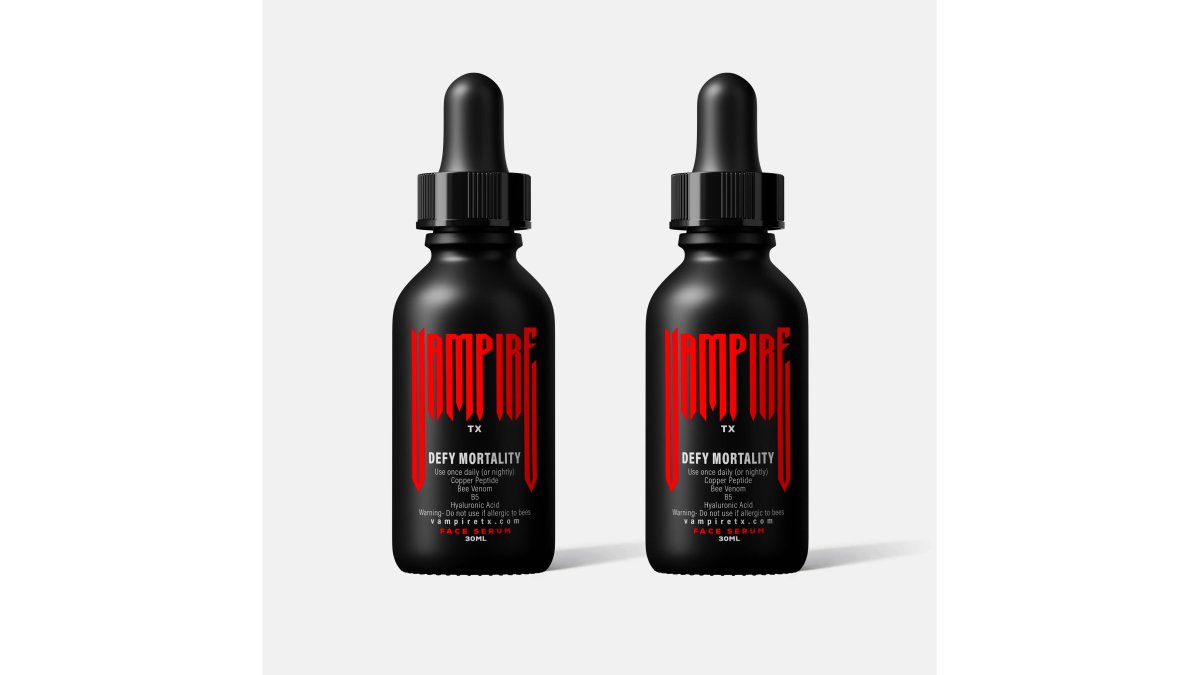
Vampire Tx Face Serum offers a middle ground: a copper peptide and bee venom combination at $19 per bottle, or $35 for two bottles and $49 for three. You're getting a formulation density closer to Kushi's approach at pricing much closer to The Ordinary's range.

| Product Type | Starting Price | Typical Routine Cost | Active Ingredients per Product |
|---|---|---|---|
| The Ordinary Serums | $5-10 | $20-40 (3-4 products) | 1-2 per product |
| Kushi Formulations | 3-5 per product | ||
| Vampire Tx Face Serum | $19 | $19-49 | 3 active ingredients |
The Ordinary requires managing layering sequences and wait times between applications. Kushi and Vampire Tx simplify this through pre-formulation, but offer less flexibility if your skin reacts negatively.
Formulation Philosophy
The Ordinary builds on a "one active, one formula" principle, giving users complete control over retinol strength, niacinamide concentration, and peptide type independently.
Kushi makes formulation decisions for you, combining copper peptides with hyaluronic acid and botanical extracts to address multiple aging markers simultaneously.
Vampire Tx delivers copper peptides and bee venom as core actives, supported by hyaluronic acid, at a price point that balances efficacy with accessibility.
If you react to The Ordinary's niacinamide serum, you know the culprit. If Kushi's multi-ingredient formula irritates your skin, isolating the cause is harder.
Copper Peptides vs Bee Venom Benefits
Copper peptides and bee venom are the two active ingredients driving current conversation in anti-aging skincare. They work through different mechanisms, and understanding that difference changes how you approach them.
Copper peptides are amino acid complexes that signal skin cells to increase collagen production and improve cellular turnover, particularly effective for fine lines and firmness. They also support the skin barrier when using other actives.
Bee venom triggers minor inflammation to stimulate the skin's repair response, improving texture and firmness. It's also antimicrobial for acne-prone skin, with a slight tingling sensation.
Copper peptides are gentler for sensitive skin; bee venom is more stimulating for resilient skin. Combining them addresses firmness through multiple pathways.
Texture improvements appear within 2-4 weeks; fine lines take 8-12 weeks. Deep wrinkles require extended use and realistic expectations.
How to Fix Skin Barrier Damage While Using Active Ingredients
Your skin barrier is the outermost layer of dead skin cells and lipids that protect deeper layers. Active ingredients intentionally disrupt this barrier to trigger cellular change; the key is managing that disruption without causing damage.
Barrier damage shows as persistent redness, sensitivity to all products, tightness, or sandpapery texture, signs you've layered too many actives too quickly.
The fix: reduce active ingredient frequency to 3-4 days per week, strengthen your barrier with ceramides and niacinamide, and simplify your routine to a gentle cleanser, moisturizer, and one active ingredient.
Recovery takes 2-4 weeks if caught early, 6-8 weeks for severe compromise.
How to Layer Skincare Products Safely
Layering order matters because ingredients penetrate at different rates. Apply products from thinnest to thickest consistency, waiting 60-90 seconds between applications.
| Step | Product Type | Wait Time | Why It Matters |
|---|---|---|---|
| 1 | Cleanser | N/A | Removes impurities and prep skin |
| 2 | Toner/Essence | 30 seconds | Hydrates and balances pH |
| 3 | Active Serum | 60-90 seconds | Allows penetration before occlusion |
| 4 | Hydrating Serum | 30 seconds | Adds hydration without diluting actives |
| 5 | Moisturizer | N/A | Seals in hydration and supports barrier |
| 6 | Sunscreen (AM only) | N/A | Protects from UV damage |
Best Products for Specific Skin Concerns
The right choice depends on your primary skin concern and how each brand's formulation philosophy addresses it. Here's a structured breakdown:

Fine Lines and Early Wrinkles (0-3 years visible)
The Ordinary's approach: Retinol 0.2%, 0.5%, or 1% (depending on tolerance) directly stimulates collagen production and increases cellular turnover. Retinoids are the gold standard for wrinkle prevention and early-stage reversal, backed by decades of dermatological research. The trade-off: retinoids require a slow introduction (start 1-2 times per week, increase over 4-6 weeks) and cause initial irritation, dryness, and peeling in most users.
Sensitive or Reactive Skin
The Ordinary's approach: Minimalist formulations mean you control exactly what touches your skin. If you react, you know the culprit. Their niacinamide serum (10% + 1% zinc) is particularly well-tolerated and actually reduces inflammation. Hyaluronic acid and squalane are gentle hydrators. The challenge: you're building a routine from scratch, and layering multiple products, even gentle ones, can overwhelm compromised skin barriers.
Dehydrated Skin
The Ordinary's approach: Hyaluronic acid 2% + B5 is a dedicated hydration product at $5. It draws water into the skin and supports the skin barrier. Squalane ($5-7) is an occlusive that seals hydration in. Together, they cost $10-12 and address dehydration directly. The limitation: they don't address aging simultaneously, so you need additional actives if anti-aging is also a goal.
Acne-Prone Skin
The Ordinary's approach: Niacinamide 10% + 1% zinc reduces sebum production, minimizes pore appearance, and has mild antimicrobial properties. It's one of the few The Ordinary products that addresses acne directly. Salicylic acid (if available in their line) is a chemical exfoliant that unclogs pores. The limitation: these don't address aging, so you need to layer additional actives if you're over 25 and concerned about both acne and wrinkles.
Dull or Textured Skin
The Ordinary's approach: Chemical exfoliants (glycolic acid 7%, lactic acid 10%) directly improve texture and brightness by removing dead skin cells and stimulating cellular turnover. Vitamin C (L-ascorbic acid 8% + Alpha Arbutin 2% + Resveratrol 3%) brightens and supports collagen. These are highly effective for texture but require careful introduction and can be irritating. The Ordinary's single-ingredient approach lets you choose exfoliant strength precisely.
Firmness and Loss of Elasticity
The Ordinary's approach: Peptide products (Matrixyl 10% + HA) and retinol both support collagen and elastin production. The Ordinary's peptide serums are affordable but typically contain lower concentrations than Kushi's formulations. Retinol is the most effective single ingredient for firmness but requires tolerance building.
Summary Matrix
| Concern | Best Brand | Why | Timeline |
|---|---|---|---|
| Fine lines (early) | The Ordinary (retinol) | ||
| Fine lines (sensitive skin) | Kushi | ||
| Sensitive/reactive | The Ordinary (niacinamide) | ||
| Dehydration | The Ordinary (HA + squalane) | ||
| Acne-prone | Kushi | ||
| Dull/textured | The Ordinary (glycolic acid) | ||
| Firmness | Kushi |
The key insight: The Ordinary excels when you have a specific, isolated concern and resilient skin. Kushi excels when you have multiple concerns, sensitive skin, or prefer simplicity. Choose based on your primary concern and your skin's tolerance for active ingredients.
Which Option Should You Choose?
Pick The Ordinary if you want complete control, enjoy building a routine from components, and have resilient skin. You'll save money and learn exactly what your skin responds to.
Frequently Asked Questions
What is the main difference between Kushi and The Ordinary skincare?
Kushi and The Ordinary differ significantly in their ingredient focus and brand philosophy. The Ordinary emphasizes single active ingredients at high concentrations with minimal formulation, while Kushi takes a multi-ingredient approach designed to work synergistically. The Ordinary products typically cost $5-$15, while comparable Kushi formulations run higher. Your choice depends on whether you prefer building a routine with targeted single-ingredient products or using comprehensive formulas that address multiple concerns simultaneously.
Can you safely combine Kushi and The Ordinary products in one skincare routine?
Yes, but with caution. Both brands use active ingredients like retinoids, niacinamide, and hyaluronic acid that can work together if layered correctly. The key is understanding concentration levels and application order. Apply water-based products first, then oil-based serums, then moisturizer. Avoid stacking multiple chemical exfoliants or retinoids on the same night, as this can compromise your skin barrier. Start with one new product every two weeks to assess tolerance before combining multiple actives.
Which brand is better for sensitive skin?
The Ordinary's minimalist formulations with lower concentrations of actives can be gentler for sensitive skin when used individually and carefully. Kushi's multi-ingredient approach may irritate reactive skin types, especially those prone to redness. However, some Kushi products include soothing ingredients like niacinamide that calm sensitivity. Test either brand on a small patch first. If your skin barrier is compromised, start with lower-concentration products and avoid combining multiple actives until your barrier recovers.
How long does it take to see results from these skincare brands?
Results vary by ingredient and skin type. Hydrating ingredients like hyaluronic acid show effects within days. Chemical exfoliants and retinoids typically require 4-8 weeks of consistent use to show visible improvement in texture and fine lines. Copper peptides and bee venom, like those in advanced formulas, may take time to demonstrate firmness and smoothness improvements. Consistency matters more than brand choice; using either Kushi or The Ordinary products sporadically will delay visible results significantly.
Choosing the right serum requires matching the formulation to your skin's current state and your lifestyle. If you're managing barrier sensitivity or prefer simplicity, Vampire Tx Face Serum delivers copper peptides and bee venom in a single, straightforward product designed to improve firmness and hydration without overcomplicating your routine. Shop now and see results in 8-12 weeks of consistent use.