
Table of Contents
- How to Prevent Premature Skin Aging Before It Starts
- Best Anti-Aging Ingredients for Skin That Actually Deliver
- Daily Skincare Routine for Aging Skin: A Step-by-Step Framework
- Lifestyle Habits That Keep Youthful Skin Intact
- Hormonal Changes and the Psychological Impact of Skin Aging
- How to Maintain Youthful Skin as You Age: Adapting Your Approach by Decade
- Frequently Asked Questions
Last Updated: August 30, 2026
Most skincare guides tell you to drink more water and wear sunscreen. That advice isn't wrong, it's just incomplete. Knowing how to maintain youthful skin means understanding what's happening at the cellular level, then building a routine that addresses it systematically. Below, we'll walk through prevention, ingredients, daily habits, hormonal shifts, and how your approach should evolve decade by decade.
How to Prevent Premature Skin Aging Before It Starts
Preventing premature aging is far more effective than reversing it. The rate of skin degradation is heavily influenced by choices made years before the first fine line appears.
Sun Protection: Your First Line of Defense Against Photoaging
Photoaging is accelerated skin aging caused by chronic UV radiation exposure. It accounts for the majority of visible aging, wrinkles, age spots, loss of elasticity, and is almost entirely preventable.
Daily broad-spectrum SPF 30 or higher is the single most evidence-backed anti-aging intervention. According to American Academy of Dermatology guidelines on sunscreen, broad-spectrum sunscreen protects against both UVA rays (which penetrate the dermis and break down collagen and elastin) and UVB rays (which cause surface burns and cellular DNA damage). Apply it every morning and reapply every two hours when outdoors.
UV radiation reaches your skin through cloud cover and car windows year-round. That cumulative daily exposure drives photoaging over decades.
Environmental Pollution, Blue Light, and Oxidative Stress
Airborne pollution particles generate free radicals on contact with skin, accelerating breakdown of collagen and elastin through oxidative stress.
Blue light from phone screens, computer monitors, and LED lighting penetrates deeper than UVB radiation and has been linked to increased oxidative stress and pigmentation changes. Most standard SPF formulas offer no protection against visible light. Antioxidant-rich serums applied before sunscreen help neutralize free radicals before they cause structural damage.
The practical fix is a two-layer morning approach: antioxidants first, then SPF. This combination addresses both UV-driven photoaging and pollution-driven oxidative stress simultaneously.
Best Anti-Aging Ingredients for Skin That Actually Deliver
The skincare market is flooded with ingredients that promise results. A handful have genuine evidence behind them.
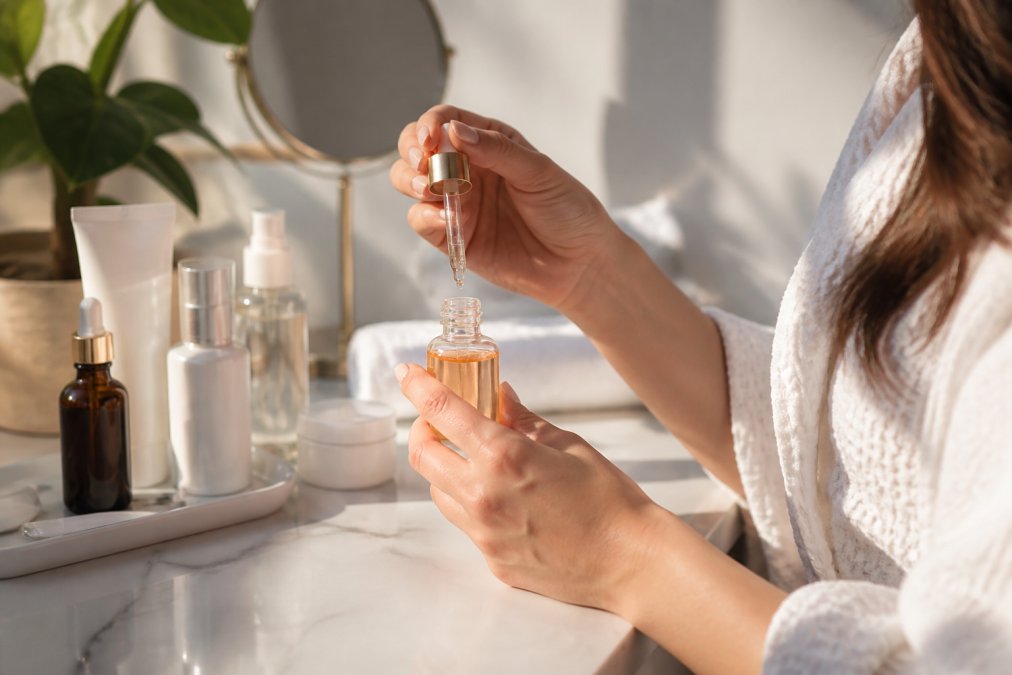
Retinoids and Vitamin C: The Proven Pair
Retinoids are vitamin A derivatives that accelerate cellular turnover, stimulate collagen production, and reduce fine lines and wrinkles. According to National Institutes of Health research on retinoid skin effects, retinoids bind to nuclear receptors that regulate gene expression in skin cells, directly influencing how quickly the epidermis renews itself.
Vitamin C is a potent antioxidant that neutralizes free radicals before they degrade collagen, inhibits melanin synthesis to fade age spots, and stabilizes existing collagen.
Used together, retinoids and vitamin C address aging from two directions: vitamin C protects existing collagen during the day, while retinoids rebuild and stimulate new collagen overnight.
Retinoids cause an adjustment period: dryness, flaking, and temporary redness are common in the first four to six weeks. Start with a lower concentration two to three nights per week, then build frequency as your skin adapts.
Copper Peptides and Bee Venom: Next-Generation Cellular Repair
Copper peptides are small protein fragments bound to copper ions. They signal the skin to produce collagen and elastin while activating antioxidant enzymes that reduce oxidative stress. Unlike retinoids, they do this without significant irritation, making them suitable for sensitive skin types.
Bee venom contains melittin, which at controlled concentrations creates a mild inflammatory response. The skin responds by ramping up collagen and elastin production, essentially triggering a repair state without actual damage. At therapeutic levels, properly formulated bee venom serums are well-tolerated by most skin types, including sensitive ones.
The Vampire Tx formula combines copper peptides and bee venom to stimulate cellular repair from multiple pathways simultaneously.
Hyaluronic Acid and Antioxidants: Ingredient Synergy That Amplifies Results
Hyaluronic acid is a naturally occurring molecule in the dermis that holds water up to a thousand times its own weight. As skin ages, hyaluronic acid levels drop, contributing to loss of plumpness and deepening fine lines.
Topical hyaluronic acid applied to damp skin draws moisture from the environment and deeper layers into the epidermis, restoring plump appearance and reducing transepidermal water loss.
Paired with antioxidants (vitamin C, vitamin E, niacinamide, resveratrol), you get a compounding effect: antioxidants protect the structural proteins that hyaluronic acid is helping to hydrate. This ingredient synergy is why a well-designed serum outperforms a shelf of single-ingredient products.
Daily Skincare Routine for Aging Skin: A Step-by-Step Framework
A daily skincare routine for aging skin doesn't need to be complicated. It needs to be consistent and sequenced correctly.
| Step | Morning | Evening |
|---|---|---|
| 1. Cleanse | Gentle, non-stripping cleanser | Same gentle cleanser |
| 2. Antioxidant serum | Vitamin C or antioxidant blend | Skip or use a calming serum |
| 3. Treatment serum | Hyaluronic acid | Retinoid or copper peptide serum |
| 4. Moisturizer | Lightweight, non-comedogenic | Richer, occlusive formula |
| 5. SPF | Broad-spectrum SPF 30+ | Not needed |
Morning Routine: Protection and Preparation
The morning routine has one job: protect the skin from the day ahead.
Start with a gentle cleanser that removes overnight buildup without stripping the skin barrier. Follow with an antioxidant serum, vitamin C is ideal because it neutralizes free radicals you'll encounter throughout the day. Apply hyaluronic acid to damp skin before your moisturizer to lock in hydration. Finish with SPF, always.
Thinner, water-based products go on first; heavier, oil-based products seal everything in. SPF is always last before makeup.
Evening Routine: Repair and Renewal
Night is when the real anti-aging work happens. Cellular turnover peaks during sleep, making the evening routine your best opportunity to introduce actives that support that process.
Cleanse thoroughly to remove sunscreen, pollution particles, and makeup. Apply your treatment serum, retinoid, copper peptide formula, or both if your skin tolerates layering. Follow with a richer moisturizer than you'd use in the morning to reduce transepidermal water loss overnight.
Lifestyle Habits That Keep Youthful Skin Intact
Topical treatments address the surface. Lifestyle habits determine what the surface has to work with.
Hydration, Diet, and Sleep: The Internal Foundation
Skin hydration reflects systemic hydration. Consistently low water intake shows up as dull, less elastic skin. Most adults fall short of what their skin needs.
Diet directly impacts collagen production. Vitamin C from food sources (citrus, bell peppers, broccoli) is essential for collagen synthesis. Antioxidant-rich foods (berries, leafy greens, nuts) reduce oxidative stress that degrades collagen and elastin. Excess sugar drives glycation, where sugar molecules bind to collagen fibers and make them stiff and brittle, a significant driver of premature aging.
Sleep is when cellular repair happens. Chronic sleep deprivation elevates cortisol, which breaks down collagen and impairs the skin barrier. According to American Academy of Sleep Medicine guidelines, seven to nine hours is the range where skin repair processes operate effectively.
Smoking, Facial Tension, and Habits That Accelerate Aging
Smoking is one of the most aggressive accelerators of skin aging. It constricts blood vessels, reducing oxygen and nutrient delivery to the dermis, and generates massive oxidative stress that degrades collagen.
Facial tension is subtler but real. Repetitive muscle contractions from squinting, frowning, or pursing lips create dynamic wrinkles that become static over time. Managing screen brightness, wearing prescription glasses if needed, and being aware of habitual facial expressions matter more than most people realize.
Hormonal Changes and the Psychological Impact of Skin Aging
Estrogen plays a critical role in maintaining skin thickness, collagen density, and moisture retention. As estrogen levels decline during perimenopause and menopause, skin loses collagen at an accelerated rate. Skin becomes thinner, drier, and more prone to sagging. Hyaluronic acid production also drops, compounding the loss of plumpness.
For men, declining testosterone in the late 40s and 50s affects skin thickness and oil production, though changes tend to be more gradual.
The psychological dimension is equally real. How skin ages affects self-perception, confidence, and social and professional interactions. The desire to maintain youthful skin is connected to identity and self-efficacy.
The practical implication: if your skincare routine was designed for your skin at 35 and you're now navigating hormonal shifts at 48, the routine needs to change. Richer moisturizers, more frequent hyaluronic acid application, and ingredients that actively stimulate collagen production (retinoids, copper peptides) become more important.
How to Maintain Youthful Skin as You Age: Adapting Your Approach by Decade
The right approach at 30 is not the right approach at 50. Skin changes, and the routine has to change with it.
In your 30s: Prevention is the primary goal. Establish daily SPF as non-negotiable, introduce a vitamin C serum in the morning, and add a low-strength retinoid two to three nights per week. Collagen production begins declining in the mid-30s; starting retinoids now is significantly more effective than starting at 50.
In your 40s: Hydration becomes a higher priority as hyaluronic acid levels drop. Upgrade to a richer moisturizer, increase retinoid frequency if tolerated, and introduce copper peptides or a multi-active serum like Vampire Tx that addresses cellular repair alongside surface hydration. Diet and sleep become critical skincare inputs.
In your 50s and beyond: The focus shifts toward repair and barrier support. Skin is thinner and more sensitive, requiring gentler approaches. Gentler retinoid alternatives (bakuchiol, lower-strength retinol), barrier-repairing ceramides, and consistent antioxidant support become central. According to National Institute on Aging skin care guidance, maintaining a consistent routine with gentle, evidence-based ingredients is more effective at this stage than cycling through aggressive treatments.
The best routine you can have is one that evolves as your skin does.
Frequently Asked Questions
At what age should you start an anti-aging skincare routine?
The late 20s is a practical starting point. Collagen production begins declining around age 25, and fine lines from sun exposure or repeated facial expressions can appear before 30. Starting a routine with SPF, antioxidants, and a quality moisturizer early makes prevention far easier than correction later. That said, adults in their 40s, 50s, and beyond can still see meaningful improvements in skin texture and elasticity with the right ingredients and consistent habits.
What are the most effective ingredients for anti-aging skincare?
Retinoids remain the most studied topical treatment for reducing fine lines and accelerating cellular turnover. Vitamin C neutralizes free radicals and supports collagen production. Hyaluronic acid draws moisture into the dermis, reducing transepidermal water loss. Copper peptides signal the skin to repair and rebuild elastin. Newer actives like bee venom work by stimulating the skin's natural repair response without the adjustment period that retinoids often require. Using these ingredients together, rather than in isolation, amplifies results.
How does sun exposure impact skin aging?
UV radiation is the single largest driver of premature aging, responsible for up to 80% of visible facial aging according to dermatology research. It breaks down collagen and elastin in the dermis, causes oxidative stress at the cellular level, and leads to photoaging: age spots, uneven skin texture, and deep wrinkles. Daily SPF 30 or higher is dermatologist-recommended year-round, not just in summer, because UV exposure accumulates even on overcast days and through windows.
What lifestyle habits contribute most to youthful skin?
Consistent sleep is one of the most underrated factors. Skin undergoes cellular repair during deep sleep, and chronic sleep deprivation elevates cortisol, which degrades collagen. Staying well-hydrated supports the skin barrier and reduces transepidermal water loss. A diet rich in antioxidants from vegetables and healthy fats supports elastin and collagen. Quitting smoking dramatically slows skin aging by restoring blood flow to the epidermis. Managing repetitive facial tension, especially frowning and squinting, reduces the deepening of expression lines over time.
Can one serum replace a multi-step anti-aging routine?
It depends on the formula. A serum built around ingredient synergy, combining actives like copper peptides, bee venom, and antioxidants, can address multiple signs of aging in a single step: collagen support, cellular repair, hydration, and skin barrier reinforcement. For most adults, pairing a high-performance serum with a broad-spectrum SPF in the morning and a gentle cleanser covers the core bases without an elaborate multi-product routine. The key is choosing a serum whose ingredients are clinically recognized, not just trend-driven.
How long does it take to see results from anti-aging skincare?
Surface-level improvements in hydration and skin texture are often visible within two to four weeks of starting a consistent routine. Deeper changes, including reduced fine lines and improved skin elasticity, typically take eight to twelve weeks because collagen remodeling and cellular turnover operate on that timeline. Ingredients like copper peptides generally have a gentler adjustment period compared to retinoids, which can cause initial dryness and sensitivity before the skin adapts. Consistency matters more than any single product.
Aging skin is a moving target, and a static routine will always fall behind it. The most effective approach combines proven topical treatments, consistent lifestyle habits, and a willingness to adapt as your skin changes. Vampire Tx was built for exactly this: a high-performance formula fusing copper peptides and bee venom to support cellular repair without requiring a shelf full of separate products. Shop now and give your skin the active ingredients it needs to stay in its prime.
This article was written using GrandRanker