
Table of Contents
- Copper Peptides vs Retinol for Wrinkles: The Core Difference
- Copper Peptides for Wrinkles: What the Evidence Shows
- Retinol for Wrinkles: Power and Trade-Offs
- Side-by-Side Comparison: Results, Irritation, and Cost
- How to Layer Copper Peptides and Retinol Without Wasting Either
- Retinol Alternatives for Sensitive Skin
- Pregnancy, Medical Cautions, and Sun Protection
- Conclusion: Which Should You Choose?
- Frequently Asked Questions
Last Updated: October 17, 2026
Copper Peptides vs Retinol for Wrinkles: The Core Difference
The copper peptides vs retinol debate comes down to one question: do you want fast, aggressive skin renewal or slow, steady repair? Retinol pushes cell turnover hard. Copper peptides support the skin's own repair signals. You can use both, but you have to respect their differences.
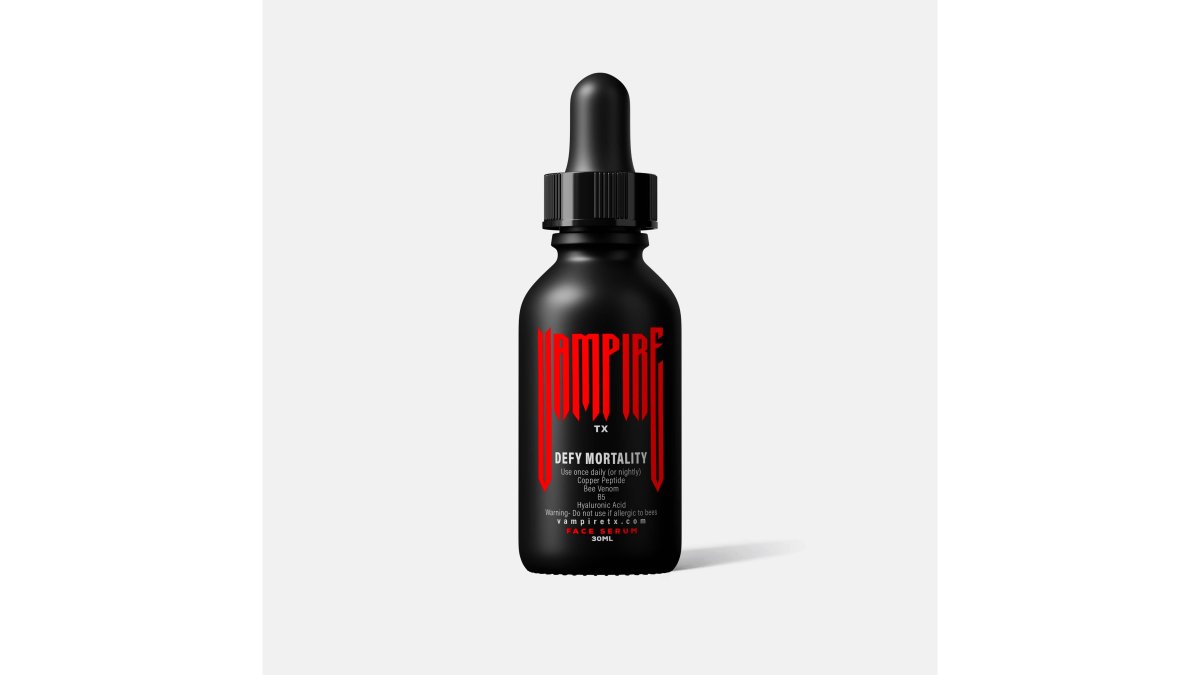
At Vampire Tx, we build our serum around copper peptides because they deliver visible firming without the peeling and redness retinol brings. That's the trade-off in one line.

Here's the short version:
- Retinol speeds up cell turnover. Results come faster. Irritation is common.
- Copper peptides support collagen and repair. Results build slowly. Tolerance is usually better.
Most guides pick a winner. That's the wrong frame. The right choice depends on your skin barrier, your patience, and your routine.
How Copper Peptides Work
Copper peptides are short chains of amino acids bonded to copper ions that signal the skin to repair and rebuild collagen. The most studied one is GHK-Cu. It acts as a catalyst, telling skin cells to produce more collagen and elastin.
The mechanism is supportive, not abrasive. Copper peptides don't strip the skin barrier. They work with it. That's why many people with sensitive skin tolerate them well.
How Retinol Works
Retinol is a vitamin A derivative that accelerates cell turnover and boosts collagen production by speeding up skin renewal. It's a retinoid, and it's one of the most researched anti-aging ingredients in topical skincare.
The catch: retinol works by irritating the skin into renewing itself. That's why the retinol adjustment period brings redness, dryness, and flaking. Some people push through it. Others quit.
Copper Peptides for Wrinkles: What the Evidence Shows
Copper peptides for wrinkles sit in an unusual spot: strong mechanistic plausibility, modest direct clinical proof. The mechanism is well documented. GHK-Cu, the most studied copper peptide, is a short chain of amino acids that binds copper and acts as a signaling molecule. In laboratory and animal models, it has been shown to support collagen synthesis, elastin production, and skin repair. What's harder to find is large, long-term, randomized human trials measuring wrinkle depth as the primary outcome.
That gap matters. Most copper peptide claims rest on mechanism and smaller studies, not big outcome trials. So treat the marketing hype with some skepticism, and treat the ingredient as promising rather than proven.
A useful way to grade the evidence:
- Mechanistic evidence: strong. GHK-Cu's role in collagen and repair signaling is well characterized in lab work.
- Small human studies: supportive but limited. Many are short, small, or use cosmetic endpoints rather than clinical wrinkle measurements.
- Large randomized trials: scarce. This is the missing piece, and it's why copper peptides don't carry the same evidence weight as retinoids.
- Direct head-to-head trials vs. retinol: essentially absent from the published literature. Anyone claiming a clear winner is extrapolating.
What copper peptides realistically do, based on the available evidence and common practitioner experience:
- Support firmness and elasticity over time
- Improve the look of fine lines with steady use
- Help the skin barrier stay calm
- Pair well with other actives
What they won't do: erase deep wrinkles fast. Gradual improvement is the honest expectation. A common pattern is visible smoothing in fine lines and texture over eight to twelve weeks of consistent use, with deeper wrinkles changing more slowly if at all.
This is the honest frame: copper peptides are a well-reasoned, low-risk support ingredient with a thinner outcome evidence base than retinol. That doesn't make them useless, it makes them a bet on mechanism, and you should know that going in.
Retinol for Wrinkles: Power and Trade-Offs
Retinol for wrinkles has the stronger evidence base of the two. Decades of clinical evidence link retinoids to smoother texture, better firmness, and fewer fine lines.
But power comes with trade-offs. The list is real:
- Irritation: redness, dryness, flaking during the adjustment period
- Purging: breakouts that surface before skin clears
- Sensitivity: sun sensitivity rises, so daily sunscreen is non-negotiable
- Slow ramp: most people need to start low and build up
A common mistake is jumping straight to a high concentration. Start slow. Use it two nights a week, then build. Your skin barrier will thank you.
Side-by-Side Comparison: Results, Irritation, and Cost
Here's how the two stack up across what actually matters.
| Factor | Copper Peptides | Retinol |
|---|---|---|
| Primary action | Supports repair and collagen | Speeds cell turnover |
| Speed of results | Slower, gradual | Faster, with an adjustment period |
| Irritation risk | Low for most skin types | Moderate to high |
| Adjustment period | Rare | Common (redness, dryness, purging) |
| Sun sensitivity | Minimal | Increased |
| Best for | Sensitive or reactive skin | Tolerant, patient skin |
| Cost | Varies widely | Varies widely |
Neither wins on price alone. Concentration and formulation drive cost more than the ingredient name. A cheap product with poor formulation wastes money either way.
How to Layer Copper Peptides and Retinol Without Wasting Either
You can layer copper peptides and retinol, but timing, formulation, and compatibility decide whether it works. The core rule: don't apply them in the same step if you want both to perform at their best.
A simple approach many people use:
- Morning: copper peptide serum, then moisturizer, then sunscreen
- Evening: retinol on retinol nights, copper peptides on off nights
- Never mix them in the same layer if you want to avoid reducing retinol's activity
Why the separation? Retinol works best in a slightly acidic environment. Copper peptides are less stable in acidic conditions and can degrade when formulated or layered at low pH. Layering them together can undercut both. This is a formulation and stability issue, not a marketing one, and it's why product design matters as much as the ingredient name.
Application order for copper peptides on their own:
- Cleanse
- Apply copper peptide serum to damp skin
- Follow with moisturizer
- Finish with sunscreen in the morning
If you want to use both in the same evening, a common pattern is to apply the copper peptide serum first, wait a few minutes, then apply retinol, but only if your skin tolerates it and your products are formulated to play well together. Many practitioners still recommend alternating nights as the safer default, especially during the retinol adjustment period.
What to watch for when combining:
- Irritation stacking: retinol already stresses the barrier; adding more actives in the same routine raises the risk of redness and flaking.
- pH conflicts: low-pH retinol formulas and copper peptides don't belong in the same layer.
- Concentration: a high-strength retinol plus a copper peptide serum is more likely to irritate than a modest retinol plus a simple peptide formula.
- Packaging and stability: copper peptides are sensitive to light and air; opaque, air-restricted packaging protects performance.
Keep it simple. More steps don't mean better results, and a calm barrier beats an ambitious routine every time.
Retinol Alternatives for Sensitive Skin
Retinol alternatives for sensitive skin exist, and copper peptides are one of the most tolerable. If retinol left you red and flaky, you have options.
Good alternatives include:
- Copper peptides: gentle, repair-focused, low irritation
- Bakuchiol: plant-based, gentler than retinol
- Peptides generally: support firmness without irritation
- Niacinamide: supports the barrier and evens tone
Copper peptides stand out because they combine firming support with barrier care. That's the pitch behind our Vampire Tx Face Serum, which pairs copper peptides with hyaluronic acid and bee venom for firmness, smoothness, and hydration at $19.
If your skin reacts to everything, start with one new product at a time. Give it a few weeks before adding another.
Pregnancy, Medical Cautions, and Sun Protection
Pregnancy and breastfeeding change the calculus. Retinol is generally avoided during pregnancy, and many dermatologists advise against it while breastfeeding. Copper peptides are usually considered a gentler option, but check with your doctor before starting anything new.
Medical cautions worth knowing:
- Retinol: avoid if pregnant or breastfeeding; watch for severe irritation
- Copper peptides: generally well tolerated, but patch test if you have reactive skin
- Bee venom: patch test first if you have allergies or sensitive skin
Sun protection applies to both. Daily broad-spectrum sunscreen is the single most effective anti-aging step you can take, regardless of which active you choose. The American Academy of Dermatology sun protection guidance recommends broad-spectrum sunscreen every day.
For general ingredient safety context, the U.S. Food and Drug Administration cosmetics information is a useful reference on how topical products are regulated.
Conclusion: Which Should You Choose?
Pick retinol if your skin tolerates actives and you want faster renewal, and you're willing to manage the adjustment period. Pick copper peptides if you want steady firming support with far less irritation, especially if your skin is sensitive.
The best routine often uses both, separated by night, with sunscreen every morning. That's how you get renewal and repair without wrecking your barrier.
If you want the gentler, repair-first path, our peer-reviewed overview of copper peptide skin research and our own formula point the same way. Start with a copper peptide serum, keep it simple, and stay consistent.
Frequently Asked Questions
Does retinol cancel out copper peptides?
Retinol does not cancel copper peptides, but applying them at the same time can reduce how well the peptide works. Retinol shifts skin pH and speeds cell turnover, which can break down copper peptides before they do their job. The practical fix is to separate them: use retinol at night and copper peptides in the morning, or alternate nights. Many routines pair a copper peptide serum with retinol on different days to get collagen support and skin renewal without the conflict.
Can you use copper peptides and retinol in the same routine?
Yes, with sequencing. Apply copper peptides first on clean skin in the morning, follow with moisturizer and sunscreen. At night, apply retinol, then moisturizer. If your skin is sensitive, start with retinol two nights per week and build up. Keep the two actives in separate steps rather than mixing them in one layer. This layering approach lets you get the firmness support of copper peptides for wrinkles alongside retinol's renewal effects without doubling irritation.
How long does retinol take to improve the appearance of wrinkles?
Retinol typically needs 12 to 24 weeks of consistent use before fine lines and texture visibly improve, and deeper wrinkles may take six months or more. The first four to six weeks often bring dryness, flaking, and a temporary purge as cell turnover speeds up. Copper peptides work more gradually, with firmness and hydration changes appearing over eight to twelve weeks. Neither ingredient delivers overnight results, so plan on a full season of use before judging either one.
Are copper peptides good for aging skin and sensitive skin types?
Copper peptides support collagen production and skin repair with a much lower irritation risk than retinol, which makes them a strong option for aging skin that cannot tolerate retinoids. People with redness, dryness, or a compromised skin barrier often do better starting with a copper peptide serum, then adding retinol later if desired. A formula like Vampire Tx Face Serum ($19.00) combines copper peptides with hyaluronic acid and bee venom for hydration and firmness support in one step.
The hardest part of anti-aging skincare isn't finding ingredients. It's sticking with a routine your skin can actually handle. Vampire Tx built its Face Serum to make that easier: copper peptides for firming support, hyaluronic acid for hydration, and bee venom in one simple step, all for $19. No luxury markup, no ten-step routine. Shop now and give your skin a routine it can keep.